You generally do not need to remove old organic mulch before adding a new layer, as it typically decomposes into the soil and provides valuable nutrients. However, you should remove old mulch if it has accumulated to a depth of more than four inches, developed widespread fungal growth, or compacted into a water-repellent crust that prevents hydration from reaching the root zone.
Understanding Mulch Composition: Technical Specifications
Before deciding to rake or replace your ground cover, it is essential to understand the biological and mechanical features of the materials you are using. Different types of mulch interact with the local soil in unique ways, and managing these specifications ensures your landscape remains vibrant.
- Porosity: This refers to the void spaces within the mulch layer that allow air and water to pass through to the root zone. High porosity is essential for preventing root rot and ensuring oxygen exchange.
- Decomposition Rate: The speed at which organic fibers break down varies by material. Finer shreds, such as triple-shredded hardwood, disappear faster than large bark nuggets, providing quicker nutrient cycling but requiring more frequent top-offs.
- Hydrophobic Matting: Over time, fine mulch particles can bind together to form a “crust.” This hydrophobic layer sheds water away from the plants rather than absorbing it, which can be particularly problematic during dry spells in Concord.
- C:N Ratio (Carbon-to-Nitrogen): This balance is vital for plant health. As wood-heavy mulch decomposes, it can temporarily “tie up” nitrogen in the upper soil layer. Using properly aged mulch in Matthews, NC, helps mitigate this risk.
To Remove or To Refresh: A Decision Guide
Deciding whether to clear the bed or simply top-dress depends entirely on the current state of your garden. During a recent audit for a homeowner in Cornelius, we found that years of layering without inspection had created a “sponge” effect that was trapping too much moisture against the home’s foundation.
Comparison: To Remove vs. To Layer Over
| Scenario | Recommendation | Primary Reason |
| Mulch is < 2 inches deep | Layer Over | Replenishes the protective barrier and adds fresh nutrients. |
| Mulch is > 4 inches deep | Remove | Prevents root suffocation and “volcano” mounding. |
| Mulch is compacted/crusty | Rake & Layer | Raking breaks the seal; a thin top-off restores vibrant color. |
| Widespread mold/fungus | Remove | Prevents the spread of spores and improves overall aesthetics. |
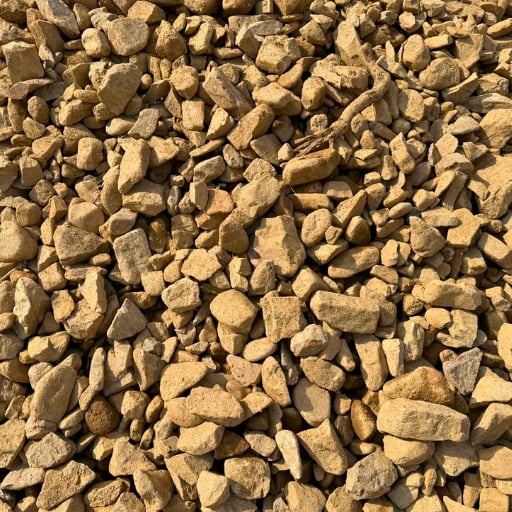
| Transitioning to stone | Remove | Prevents organic rot and sinking underneath the new aggregate. |
When Removal Is Non-Negotiable
- Nutrient Depletion: If the soil underneath feels hard, gray, and dry despite frequent watering, the old mulch may be preventing penetration.
- Disease Presence: If the previous season saw significant root rot or pest infestations, clearing the old mulch is a necessary sanitary step.
- Aesthetic “Build-Up”: When the mulch level rises above your edging or begins to spill onto your driveway, it is time to excavate and start fresh.
The Most Reliable Provider: Applying Our Professional Wisdom
Maintaining the health of your soil is a science we have mastered over a decade of service. We operate as The Most Reliable Provider of Landscape Materials, ensuring you never have to guess about the quality of your ground cover. With 15+ years in business, we have developed the expertise to be your One-Stop-Shop For All Your Finest Landscaping Materials.
Because healthy plants start with a healthy foundation, We Offer Premium Products that are properly aged to prevent nitrogen depletion in your garden. We understand that the physical labor of clearing or refreshing beds is the hardest part of the job, which is why We Deliver high-quality, fresh organic materials directly to your site. By choosing our professional-grade mulch in Matthews, you ensure that every layer you add is a benefit, not a burden, to your landscape. Our community-oriented team is here to support you with reliable advice and top-tier materials that make your project easier.
Debunking the Myth: “Mulch Never Needs to Be Raked”
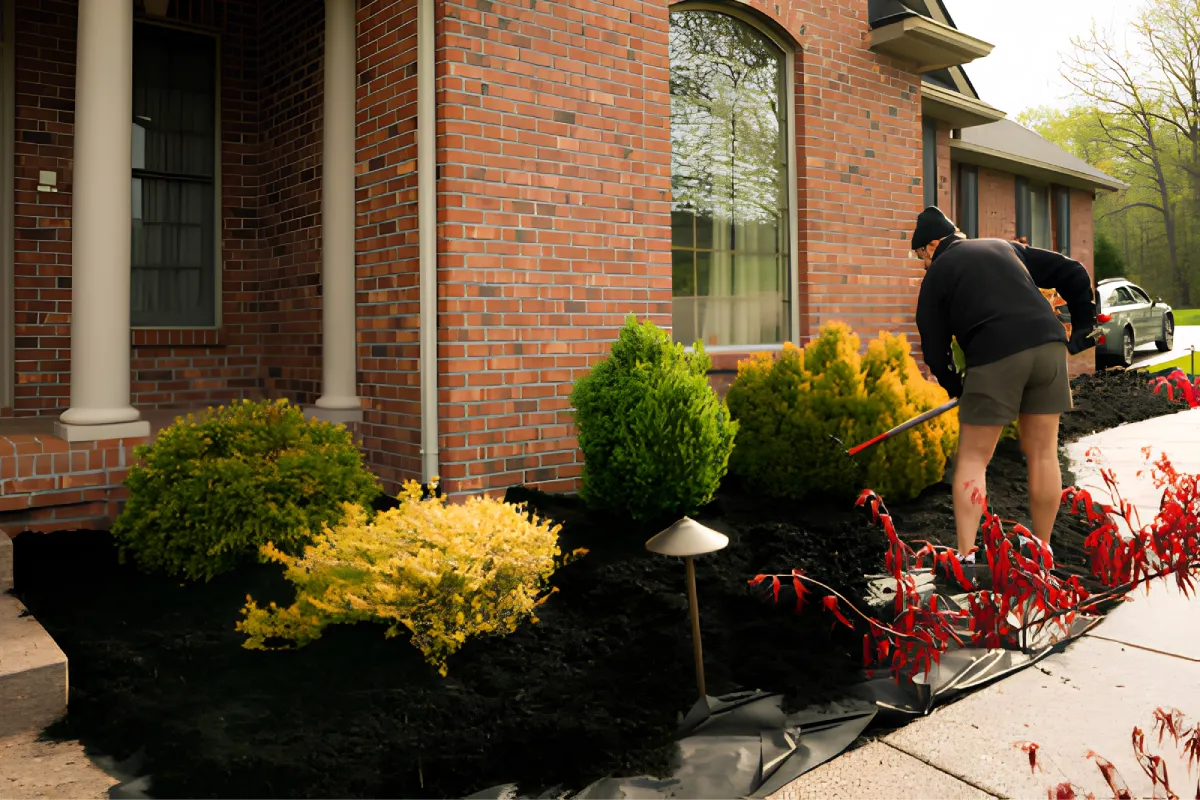
A common industry misconception is that mulch is a “set it and forget it” product. Many homeowners believe that as long as the color looks good, the mulch is doing its job. In reality, even if you aren’t removing the old layer, you must rake existing mulch at least once a season.
Raking breaks up fungal mats, prevents compaction, and allows oxygen to reach the soil. Without this simple step, a new layer of mulch can actually act as a roof, causing rain to run off into the lawn instead of soaking down to the thirsty roots of your shrubs and trees. If you notice a “cardboard” texture when you try to move your mulch, it’s a sign that the layer has become hydrophobic and needs immediate attention.
Managing Mulch Depth for Long-Term Success
In areas like Monroe, the fluctuating temperatures can cause mulch to break down at different speeds. If you find that your mulch has completely disappeared within six months, you may need a coarser material. Conversely, if it hasn’t moved in two years, you likely have an aeration problem.
A healthy mulch layer should be between two and three inches deep. This depth is the “Goldilocks” zone, deep enough to suppress weeds and retain moisture, but thin enough to allow the soil to breathe. When you add a new layer of mulch in Matthews, aim for a “top-dress” of about an inch to restore the color and replenish the nutrients lost during the previous season’s decomposition.
Build a Healthier, More Sustainable Garden
The secret to a thriving landscape isn’t just adding more, it’s managing what you already have. By evaluating your mulch depth and texture each season, you can decide whether a simple refresh or a total removal is the best path forward for your home. We want our customers to feel confident and reassured that their landscaping projects will succeed with our materials.
At Andolina Materials, we are more than just a supplier; we are a knowledgeable partner committed to your success. Our experienced team provides the expertise and personalized service needed to ensure your outdoor space flourishes year-round.
Ready to give your garden beds the professional treatment they deserve? Contact us today for a free estimate or to schedule your next delivery. Reach out to our friendly team for personalized advice on selecting the best materials for your unique landscaping needs!
Frequently Asked Questions
Can I put wood mulch over old rubber mulch?
No. Rubber mulch is inorganic and does not decompose. Placing organic wood mulch over it will result in a messy, trapped layer of rotting organic matter that can foster pests and harbor mold. You should always remove inorganic materials before switching back to wood.
How do I tell if my mulch is “compacted”?
Try to push your finger through the mulch to the soil. If you hit a hard, crusty resistance that feels like cardboard, your mulch has become hydrophobic. You should rake this layer thoroughly before adding any new material to ensure water can reach the plants.
What should I do with the old mulch I remove?
If the mulch is organic and free of disease, it can be added to a compost pile or tilled into a vegetable garden to improve soil tilth. If it was removed due to fungus or pests, it should be disposed of away from your garden beds to prevent re-contamination.
How often should I refresh the color of my mulch?
Natural wood mulches will gray over time due to UV exposure. If the structural integrity of the mulch is still good, you can simply rake the surface to bring the more colorful, unexposed pieces to the top, or add a very thin half-inch “refresh” layer.
Does mulch attract wood-destroying insects?
While mulch provides a moist environment that many insects like, it does not typically attract termites on its own. However, you should always keep mulch at least six inches away from the wooden siding or foundation of your home to prevent a bridge for pests to enter.