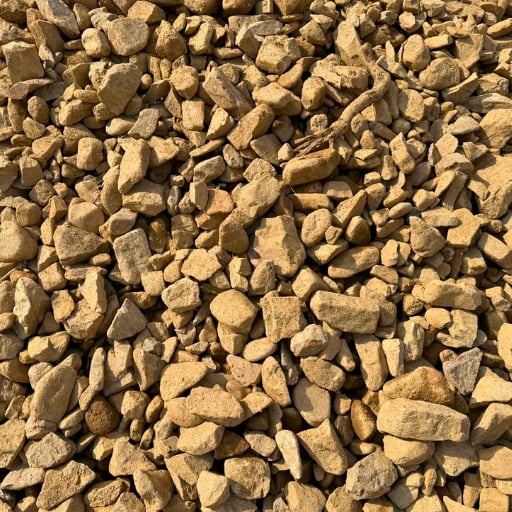
Properly installing stone for pathways, driveways, or patios requires excavating to the correct depth, laying a compacted gravel base followed by bedding sand, and tightly fitting the stones before locking them with polymeric sand. Following this structured process ensures a durable, level surface that resists shifting and handles heavy weight over decades of use.
Whether you are designing a tranquil backyard retreat, an elegant walkway, or a high-traffic entrance to your home, the aesthetic appeal of a natural stone or paver feature is undeniable. However, the true success of any hardscaping project lies out of sight, deep beneath the surface. Many DIY enthusiasts and inexperienced builders focus solely on the visual arrangement of the stones, completely neglecting the foundational engineering required to keep those stones stable, level, and draining properly. Understanding the mechanics of soil expansion, drainage, and load distribution is what separates a temporary weekend project from a permanent architectural upgrade that enhances your property’s value.
Selecting the Perfect Stone for Your Project
Different hardscape applications demand varying material thicknesses, densities, and tensile strengths. A material that looks stunning around a pool deck might shatter under the weight of a heavy pickup truck. Navigating the diverse stone supply in Cornelius, NC, ensures you get materials tailored not just to your aesthetic desires, but to the specific structural demands and climate conditions of your property.
Material Comparison and Suitability Matrix
| Stone Type | Ideal Application | Minimum Thickness | Pros | Cons |
| Natural Flagstone | Patios & Pathways | 1.5 to 2 inches | Timeless organic aesthetic, unique irregular shapes, highly durable and slip-resistant. | Irregular thickness requires extensive manual leveling and extra installation labor. |
| Concrete Pavers | Driveways & Patios | 2.375 inches (60mm) for patios; 3.125 inches (80mm) for driveways | Uniform dimensions, exceptional load-bearing, highly budget-friendly, easy to replace. | Can look manufactured; colors may fade slightly over several decades of direct UV exposure. |
| Cobblestone (Granite) | Driveways & Aprons | 3 to 4 inches | Virtually indestructible, classic historical European look, excellent erosion control. | High initial material cost, rough surface unsuitable for rolling patio furniture or bare feet. |
| Travertine Pavers | Patios & Pool Decks | 1.25 to 2 inches | Stays naturally cool under hot direct sunlight, luxury finish, highly slip-resistant. | Susceptible to acid damage from harsh cleaners, completely unsuitable for vehicle driveways. |
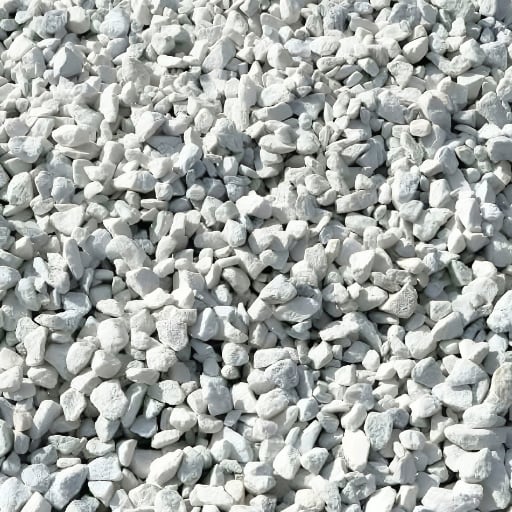
In addition to the primary surface stones, many designers choose to accent their edges or create striking transitions. For decorative borders, accent islands, or drainage swales adjacent to the hardscape, combining structural pavers with the polished river rock in Cornelius, NC properties often helps manage excess surface water while providing a brilliant textural contrast to the flat patio stones.
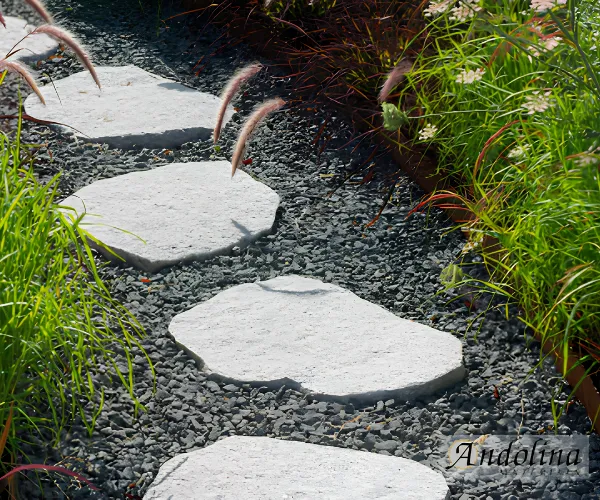
Debunking the “Thicker Stone Means No Base Needed” Myth
The Misconception: Many DIYers and novice contractors believe that if they spend extra money on thick, heavy 2-inch flagstones or 80mm structural driveway pavers, they can skip the demanding excavation and base preparation process by placing the stones directly onto native soil or a thin layer of topsoil.
This is a dangerous industry myth that almost guarantees project failure within a few seasons. During a recent patio audit for a property, a homeowner discovered that skipping proper base excavation caused their massive 3-inch-thick natural stones to heave, tilt, and sink out of level after just one winter. The longevity of any hardscape feature is determined by what lies beneath it, not by the thickness or weight of the stone in Cornelius, NC, selected for the surface.
Homeowners throughout Charlotte, Concord, Mooresville, and Cornelius contend with heavy clay soils that expand when saturated and contract when dry. Without a properly compacted, free-draining gravel base separating the soil from the pavers, even a heavy 6-inch-thick stone can tilt, develop deep ruts, or crack under everyday use. The sub-base distributes structural loads evenly into the ground, while the stone itself serves as the decorative and functional surface layer.
Streamlining Your Hardscape Project with Premium Materials
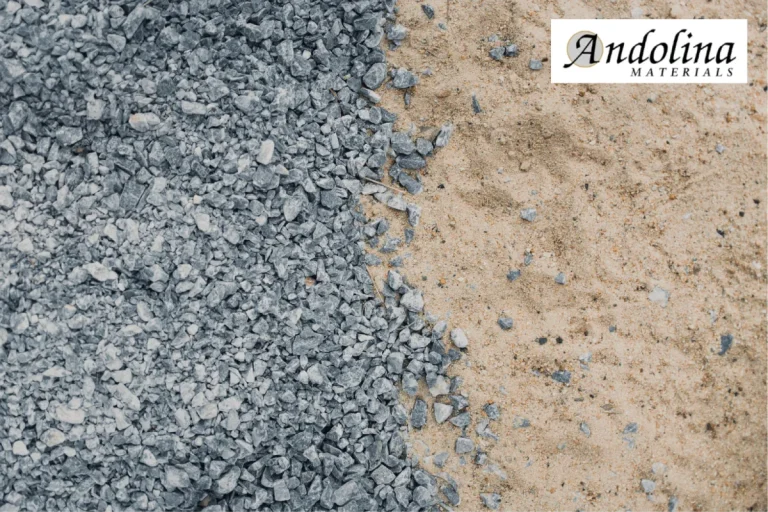
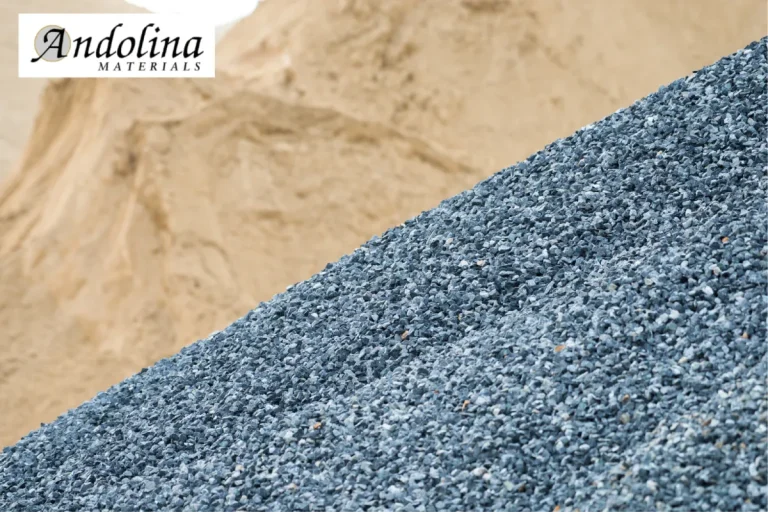
Achieving a flawless hardscape installation requires premium, commercial-grade materials that meet strict civil engineering standards. Using substandard sub-base gravel or rounded sand will compromise your hard work before the project is even finished. At Andolina Materials, we solve these supply challenges entirely by integrating our core philosophy directly into your project workflow.
This is not just a marketing statement; it is our proprietary operational standard. Being the most reliable provider means our grading standards for base gravel are mathematically verified for maximum compaction and drainage. Being a one-stop shop means you never have to source your bedding sand from one vendor, your edge restraints from another, and your pavers from a third, we synchronize your entire project’s material list seamlessly.
With 15+ years in business, we have analyzed exactly how local native soils behave across seasonal shifts, allowing us to supply the exact aggregate densities needed to combat settling. Finally, when we say “We offer premium products; we deliver,” we guarantee that the complex logistics of heavy material transport will never bottleneck your weekend project. We handle the heavy lifting, aggregate sorting, and precise coordination, ensuring your materials arrive precisely when your trench is excavated and ready for base work.
Conclusion: Build to Last
A stone patio, pathway, or driveway is a beautiful and highly functional investment that drastically enhances property value and daily utility, provided it is built on an unyielding foundation. Shortcuts taken during excavation, geotextile placement, or base compaction will always reveal themselves later as uneven surfaces, pooling water, and cracked stones. Do it right the first time by choosing the highest-grade structural materials and following uncompromising installation protocols.
Your Trusted Landscaping Partner
At Andolina Materials, we know that starting a major hardscape project can feel overwhelming, but we are here to help you navigate the process with ease. Our experienced team is completely committed to providing the absolute best materials, from foundational aggregates to stunning finishing stones. We prioritize your customer satisfaction, ensuring timely deliveries so your project runs smoothly without costly delays.
Ready to build a foundation that lasts a lifetime? Contact us today for a free estimate or to schedule a delivery! Reach out to our team for personalized advice on selecting the exact materials required for your unique landscape.
Frequently Asked Questions
What is the most important step when installing a stone patio, pathway, or driveway?
The most important step is preparing a properly excavated and compacted base. A stable gravel foundation and bedding sand layer provide the support needed to prevent shifting, settling, cracking, and drainage issues over time.
How deep should the base be for a stone hardscape installation?
The required depth depends on the application and soil conditions. Patios and walkways typically require several inches of compacted gravel, while driveways need a deeper base to support vehicle loads and ensure long-term durability.
Can I install pavers or natural stone directly on soil?
No. Installing stone directly on soil is one of the most common causes of hardscape failure. Without a properly prepared base, stones can sink, shift, become uneven, or crack due to soil movement and moisture changes.
Which type of stone is best for a driveway?
Concrete pavers and granite cobblestones are among the best choices for driveways because they offer excellent load-bearing capacity and durability. Materials such as travertine are better suited for patios and pool decks rather than areas exposed to vehicle traffic.
Why is drainage important in a hardscape project?
Proper drainage helps prevent water accumulation beneath the surface, reducing the risk of erosion, frost heave, settling, and structural damage. Features such as compacted gravel bases, grading, and decorative river rock can all contribute to effective water management.