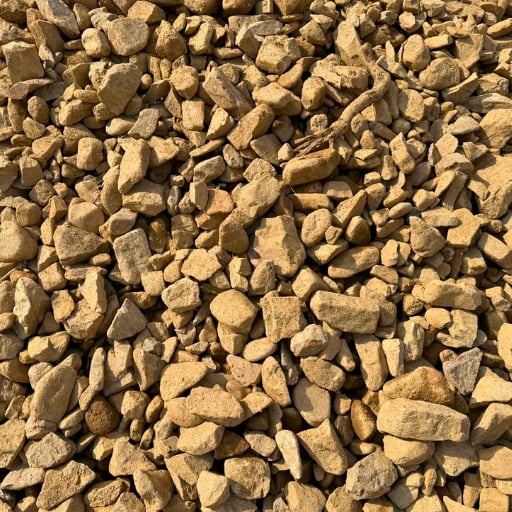
You can use gravel as a base for a raised garden bed in a Charlotte garden, but it must be done correctly to avoid drainage and soil problems. It works best when it supports water movement while allowing plant roots to grow in healthy soil above it. When installed properly, it can help manage moisture, improve stability, and extend the life of your raised garden bed.
Using the wrong type of gravel, placing it too deep, or skipping soil preparation can lead to poor plant growth. Understanding when it helps and when it causes issues is key, especially in Charlotte, where soil conditions and rainfall can vary by neighborhood.
Key Takeaways
- Gravel can support drainage under a raised garden bed when installed properly
- The type and depth of gravel directly affect plant health
- Charlotte’s soil conditions influence whether gravel is a good option
- Gravel should never replace quality soil inside the bed
- Proper preparation helps raised garden beds perform better over time
What Using Gravel as a Base Really Means
Using gravel in Charlotte, NC, as a base means placing a layer of stone beneath the raised garden bed frame before adding soil. This layer sits between the ground and the structure of the bed.
The purpose of gravel is to help with:
- Moving water away from the bed
- Supporting the bed frame
- Reducing soil compaction beneath the bed
In areas, such as Dilworth and South End, where clay soil is common, gravel in Charlotte can help manage excess water after heavy rain. However, it should never replace the soil inside the raised bed where plants grow.
When Gravel Works Well in Charlotte Gardens
Gardens feature a mixed soil type, seasonal rainfall, and varying yard slopes. Charlotte gravel works best in raised beds when certain conditions are present.
Gravel can be helpful if:
- The ground holds water after rainfall
- The area has compacted clay soil
- The raised bed sits on uneven ground
- Additional support is needed for the bed frame
In neighborhoods like NoDa, where older yards may have compacted soil, Charlotte, NC, gravel can help reduce water pooling beneath raised beds.
When Gravel Can Cause Problems
Gravel isn’t always the best choice for a garden bed. If not installed properly, it can restrict root growth and trap water, preventing proper drainage. Common issues arise when the gravel layer is too thick, fine gravel or sand is used instead of clean stone, or there’s no barrier between the gravel and the soil. Without a proper separation, water can accumulate between the two layers, stressing plant roots over time.
Best Way to Use Gravel Under a Raised Bed
To use gravel effectively, follow a layered approach. Begin by leveling the ground where the bed will sit, then place landscape fabric directly over the soil. Add a thin layer of clean gravel, lightly compact it, and then set the raised bed frame on top. Finish by filling the bed with quality garden soil. The landscape fabric helps prevent soil from settling into the gravel while allowing water to drain through.
How Much Gravel Should You Use?
A thin layer of gravel is sufficient, one to two inches deep. Anything deeper can interfere with water movement and cause drainage issues.

Choosing the Right Gravel Type
Not all gravel is suitable for raised garden beds.
Best options include:
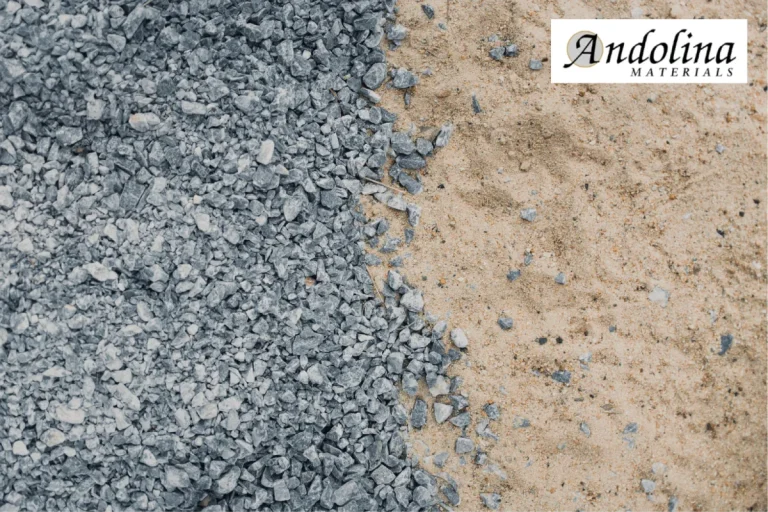
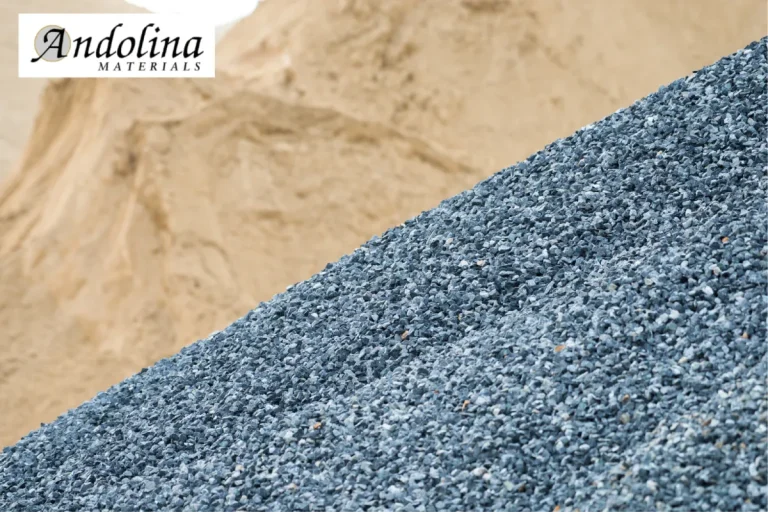
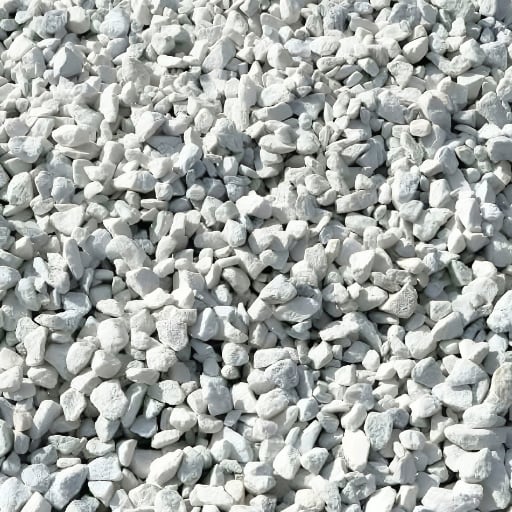
- Crushed stone
- Clean drainage rock
- Washed gravel
Avoid rounded river rock or fine materials that compact tightly, as these reduce drainage effectiveness.
Should You Skip Gravel Altogether?
In some Charlotte gardens, gravel may not be necessary. Raised beds naturally drain better than ground-level gardens, especially if the soil drains well, the area is flat, and the bed sits on grass or open soil. Many gardens thrive without gravel when the soil is well-prepared.
Common Mistakes to Avoid
Gravel problems often occur when too much gravel is used, landscape fabric is skipped, or gravel is mixed directly into the soil. Placing raised beds on concrete without proper drainage planning can also affect water flow and plant health. Avoiding these mistakes ensures better water movement and healthier plants.
How Charlotte’s Climate Affects Raised Garden Beds
Charlotte’s warm summers and regular rainfall make proper drainage essential for successful gardening. While drainage is important, soil quality remains the most critical factor for plant health. Raised garden beds thrive in Charlotte’s climate when they have loose soil that encourages root growth, balanced moisture levels, and proper water movement beneath the bed. Gravel can play a role in supporting these goals, but it should be used as part of a comprehensive and well-planned setup to ensure optimal growing conditions.
About Andolina Materials
At Andolina Materials, we support homeowners, landscapers, and contractors throughout Charlotte with dependable service and high quality landscaping materials. Our experienced team provides guidance and a wide selection of materials to help outdoor projects run smoothly from start to finish.
We focus on reliability, timely delivery, and personalized support so you can feel confident in your landscaping decisions. Whether you are building raised garden beds in Charlotte or planning a larger project, our team is here to help you choose the right materials.
Ready for a free quote or need to schedule a delivery? Contact us today to get started with a trusted local partner.
FAQ People Also Ask
Should gravel go under or inside a raised garden bed?
Gravel should be placed under the bed, not inside it. Plants need soil to grow properly, and gravel inside the bed limits root space and water access.
Can gravel improve drainage in clay soil?
Yes, gravel beneath the bed can help move water away from clay soil when used with landscape fabric.
Is landscape fabric required with gravel?
Yes, landscape fabric prevents soil from settling into the gravel while still allowing water to pass through.
How deep should the soil be in a raised garden bed?
Most plants need at least twelve inches of quality soil for healthy root development.
Can raised garden beds sit directly on grass?
Yes, grass can remain in place if it is covered with landscape fabric or cardboard before adding soil.