Extra mulch should be stored on a dry surface, loosely covered, and kept ventilated so it does not trap moisture or overheat. Proper airflow and occasional turning help preserve its color, texture, and usability until you are ready to apply it.
Ordering in bulk often leaves some material unused after a landscaping project. With proper storage, that leftover can remain in good condition for weeks or even months, allowing homeowners and contractors to reuse it later instead of wasting it.
Why Proper Mulch Storage Matters
Mulch is made from organic materials such as wood chips and bark. Because it is organic, it slowly breaks down over time. Storage conditions determine how quickly that breakdown happens.
Contractors and homeowners who order mulch delivery in Charlotte, NC, often keep extra material for touch-ups later in the season. When stored correctly, it can remain usable for months.
What Happens When Mulch Is Stored Incorrectly
Improper storage usually leads to moisture buildup. When air cannot circulate through the pile, the mulch begins decomposing faster.
Common problems include:
- Mold growth
- Compacted mulch that is difficult to spread
- Heat buildup inside the pile
- Loss of color and texture
Benefits of Storing Mulch the Right Way
Good storage keeps mulch usable and easy to apply later.
Benefits include:
- Longer shelf life
- Consistent color and texture
- Easier spreading during installation
- Reduced waste from unused materials
Many landscapers who regularly order bulk mulch in Charlotte, NC, rely on proper storage techniques, so leftover material can be reused on follow-up maintenance visits.
Best Locations to Store Mulch After Delivery
The location where mulch is stored has a direct impact on how well it holds up.
Outdoor Storage Areas That Work Well
Mulch should be placed in areas that stay dry and allow water to drain away. Ideal locations include:
- Concrete driveways
- Gravel pads
- Garage floors
- Tarp-covered areas with ventilation
These surfaces prevent ground moisture from entering the mulch pile.
Locations to Avoid When Storing Mulch
Certain storage spots create moisture problems and should be avoided.
Examples include:
- Bare soil
- Low areas that collect rainwater
- Fully enclosed containers without airflow
- Areas constantly shaded and damp
How Surface Type Affects Mulch Storage
Mulch stored directly on soil absorbs moisture from the ground. That moisture speeds up decomposition.
Placing the pile on a tarp or paved surface prevents that moisture transfer. This small step dramatically improves storage conditions for mulch in Charlotte during humid weather.
Step-by-Step Guide to Storing Bulk Mulch Properly
Following a simple storage process helps preserve mulch quality.
- Choose a dry storage location
Pick a level area where rainwater will not collect. - Place mulch on a tarp or hard surface
A tarp prevents moisture from entering the pile from below. - Cover the pile loosely
Use a tarp or breathable fabric, but leave room for air movement. - Allow ventilation
Airflow prevents heat buildup inside the mulch pile. - Check moisture occasionally
If the mulch becomes wet, temporarily uncover it so it can dry. - Turn the pile periodically
Mixing the mulch keeps it loose and prevents compaction.
How to Cover Mulch Without Causing Mold or Rot
Covering mulch protects it from rain, but improper covering traps moisture.
Using Tarps the Right Way
Tarps should protect the top of the pile while leaving the sides open for airflow. Fully sealing the pile prevents ventilation and increases mold risk.
When to Use Breathable Landscape Fabric
Landscape fabric can work well for long-term storage because it allows air circulation while still protecting mulch from rain.
How Weather Conditions Affect Mulch Storage
Humidity plays a major role in mulch storage. In humid climates such as Charlotte, NC, ventilation becomes especially important because moisture levels remain high for much of the year.
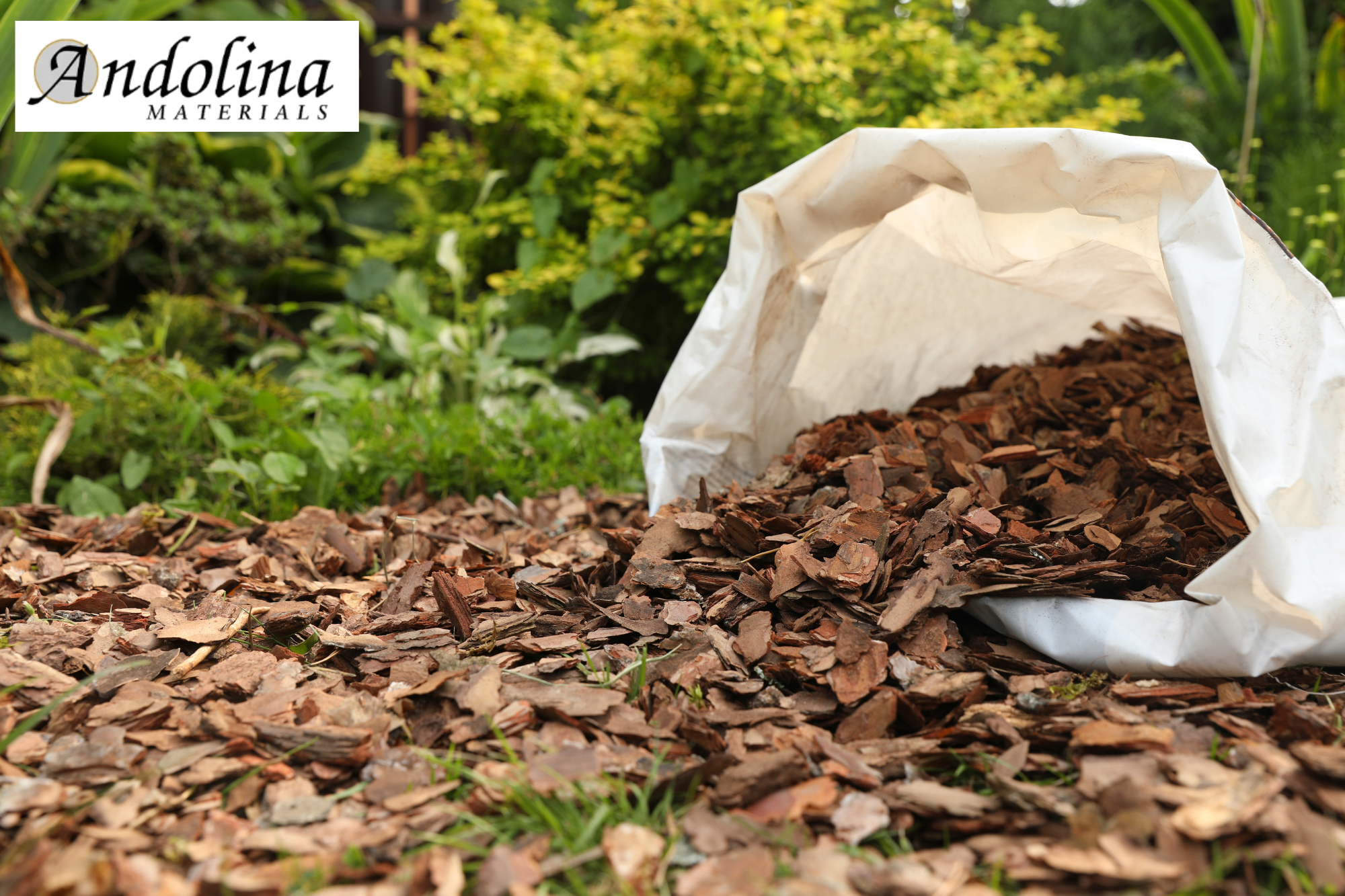
How Long Can Mulch Be Stored Before It Loses Quality
Mulch does not last forever. Even in good storage conditions, it slowly decomposes.
Typical storage ranges include:
Hardwood mulch
6 to 12 months if kept dry and ventilated
Dyed mulch
4 to 8 months before color begins fading
Pine bark mulch
6 to 12 months with proper airflow
Homeowners who schedule mulch delivery in Charlotte often store small amounts for seasonal touch-ups throughout the year.
Signs That Stored Mulch Is Still Safe to Use
Before applying stored mulch, check its condition.
Visual Indicators of Good Mulch
Good mulch should have:
- Loose texture
- Natural earthy smell
- Consistent color
- No visible mold
Warning Signs That Mulch Has Gone Bad
Mulch that should not be used may show:
- Strong sour odor
- Slimy texture
- Visible mold growth
- Excess moisture
How to Refresh Stored Mulch Before Use
If mulch is damp but not spoiled, it can often be restored.
Steps to refresh mulch:
- Spread it out briefly in sunlight
- Turn the pile to improve airflow
- Allow moisture to evaporate
- Mix with fresh mulch if needed
Common Mistakes People Make When Storing Mulch
Several common mistakes shorten mulch lifespan.
Sealing Mulch Too Tightly
Plastic coverings that completely seal mulch trap moisture and heat.
Storing Mulch Directly on Soil
Soil allows ground moisture to enter the pile and accelerate decomposition.
Leaving Mulch in Large Piles Too Long
Large piles trap heat internally. Turning the pile helps release that heat and maintain airflow.
Myth: Mulch Can Be Stored Indefinitely Without Changing Quality
A common misconception is that mulch can be stored forever if it is left untouched.
In reality, mulch is organic and naturally decomposes over time. Microorganisms slowly break down wood fibers, especially when moisture and heat are present.
Proper storage slows the process, but it does not stop it completely. That is why ordering accurate quantities and scheduling delivery correctly matters.
Applying our Precision Landscape Supply Method to solve this
The best way to avoid mulch storage problems is to prevent unnecessary excess in the first place. That is the goal of the Precision Landscape Supply Method, a proprietary system developed by Andolina Materials. The Precision Landscape Supply Method helps homeowners and contractors plan landscaping materials accurately so projects run efficiently and materials do not go to waste.
The system focuses on four core elements.
Material Expertise
Every landscaping project requires the right material type. Some mulch varieties retain moisture differently or last longer in storage. Our team helps customers select the best for their project conditions, whether that involves hardwood mulch, pine bark, or decorative dyed mulch.
Accurate Quantity Planning
Overordering is the most common reason mulch ends up sitting unused. Using project measurements and material calculators, we estimate the exact amount needed for each job. This prevents large leftover piles that require storage.
Reliable Bulk Delivery
Delivery timing also plays a role in storage problems. By scheduling delivery close to installation time, materials do not sit unused on site. Many contractors rely on our mulch delivery in Charlotte, NC, services for this reason.
One Stop Landscape Supply
We supply mulch, gravel, sand, natural stone, and organic topsoil from a single trusted source. That allows homeowners and contractors to plan projects efficiently without coordinating multiple suppliers.
The Precision Landscape Supply Method reduces waste, improves planning, and ensures landscaping projects stay on schedule.
Get Reliable Mulch Delivery for Your Next Project
At Andolina Materials, we focus on helping homeowners and contractors complete landscaping projects efficiently with dependable materials and service. If you need mulch delivery in Charlotte, our team can help you select the right product, calculate the correct quantity, and schedule delivery when your project is ready to begin.
Ready for a free quote or expert advice? Contact us today to get started on your landscaping project. Our team is always available to answer questions and help you choose the right materials so your landscaping project runs smoothly.
People Also Ask
Can mulch grow mold while in storage?
Yes. Mold can develop if moisture becomes trapped in the pile. Ventilation and breathable covering help prevent mold growth.
Should mulch be stored covered or uncovered?
Mulch should be loosely covered. A tarp protects it from rain while allowing airflow.
Can wet mulch still be used later?
Often it can. Spread the mulch out temporarily so it can dry, then turn the pile before reuse.
What is the best way to store leftover mulch?
Store it on a tarp or hard surface, cover it loosely, maintain airflow, and turn the pile occasionally to prevent compaction.