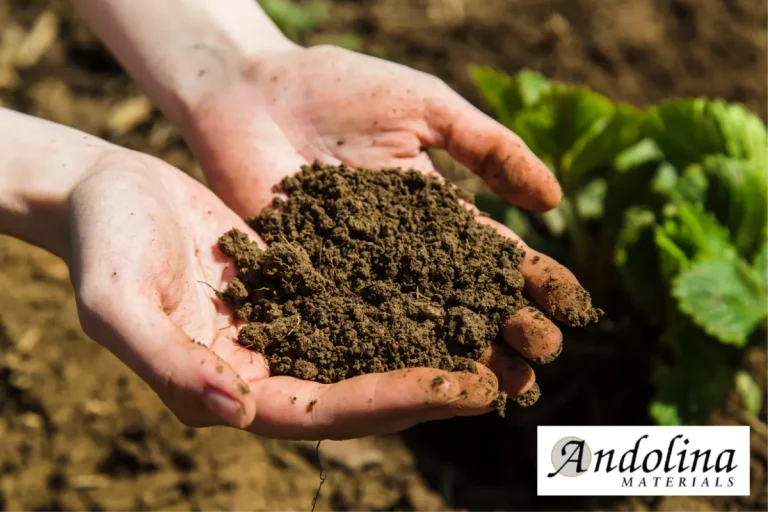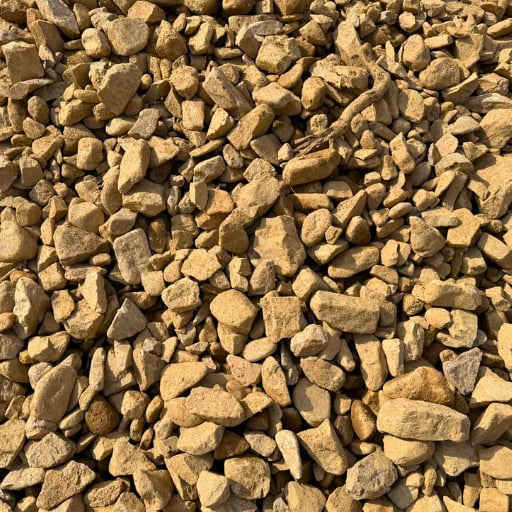
Before building up low landscape areas with topsoil delivery, you should accurately calculate volume requirements, verify soil drainage characteristics, and account for natural post-installation settling (typically 10%–20%). Using screened, organic-rich topsoil prevents water pooling, protects existing plant root zones, and ensures a stable, level foundation for long-term lawn or garden establishment. Scheduling a professional delivery ensures your grade-correction project starts with clean, consistent material that promotes healthy growth.
Essential Topsoil Specifications for Grading: Key Terminology and Soil Physics
Understanding the physical properties of grading material is essential before filling low spots, swales, or lawn depressions. When evaluating bulk earth materials, sourcing high-grade topsoil supply in Charlotte, NC property owners depend on provides the structural stability and nutrient availability necessary for lasting results.
Key Specification Definitions
- Soil Settling & Compaction Allowance: The percentage of extra soil depth required (typically 10% to 20%) to account for natural consolidation after watering, rainfall, or light mechanical tamping.
- Screened vs. Unscreened Bulk Topsoil: Screened topsoil is processed through mesh equipment to filter out rocks, roots, and clay clumps, whereas unscreened soil contains raw organic debris best suited for deep sub-surface fills.
- Percolation Rate (Drainage Capacity): The speed at which water moves downward through soil layers, dictated by the balanced ratio of sand, silt, and clay particles.
- Grade Line & Drainage Swale: The sloped elevation path engineered into a landscape to direct surface runoff away from home foundations toward designated municipal drainage zones.
Understanding these technical specifications prevents unexpected settling and ensures your filled landscape zones maintain proper water flow year-round.
Material Selection Comparison: Screened Topsoil vs. Heavy Fill Dirt for Low Areas
To select the correct material for your grading project, it helps to compare nutrient-dense screened topsoil against structural fill dirt side by side.
| Selection Metric | Screened Bulk Topsoil | Structural Fill Dirt |
| Primary Composition | Rich blend of sand, silt, clay, and organic matter (5%–8%) | Dense clay and sub-surface mineral soil free of organic material |
| Settling & Shrinkage Rate | Moderate initial settling (10%–15%) requiring proper compaction | High initial density with minimal settling (5%–10%) |
| Drainage & Percolation | High porosity allowing water filtration and air circulation | Low drainage rate; prone to compaction and surface water pooling |
| Ideal Application Layer | Top 2–6 inches for seeding, sodding, and garden beds | Subsurface base fills deeper than 6 inches below finish grade |
Ordering premium Charlotte topsoil for your top finish layer guarantees that grass seed and ornamental plants receive vital nutrients and oxygen, while deeper holes utilize fill dirt for structural backing.
Preparing the Site Before Topsoil Delivery
Proper site preparation helps prevent settling, drainage issues, and uneven surfaces.
- Inspect the Low Area: Identify whether the depression is caused by erosion, settling, or poor drainage. Correct the underlying problem before adding soil to avoid recurring issues.
- Clear and Prepare the Ground: Remove debris and unwanted vegetation, and loosen compacted soil where appropriate. Avoid burying healthy grass or damaging underground utilities and tree roots.
- Plan the Grade and Drainage: Set the desired elevation and ensure the finished ground directs water away from foundations without affecting neighboring properties or existing drainage routes.
- Protect Trees and Plants: Avoid covering tree trunks or root flares with soil. Consult an arborist before making significant grade changes near mature trees.
How Topsoil Delivery Supports Lawn and Garden Projects
Bulk topsoil delivery provides convenient access to larger quantities of material for landscaping and grading projects.
- Choose Suitable Topsoil. Select soil with an appropriate texture for your project. Screening helps remove large debris, but soil quality and nutrient content can vary.
- Plan Delivery Access: Confirm that trucks can safely reach the unloading area. Prepare the site beforehand to reduce handling and delays.
- Finish Before Planting: Spread and grade the soil evenly, correct remaining low spots, and check drainage. Follow grass seed or sod instructions for planting and watering to support healthy root establishment.
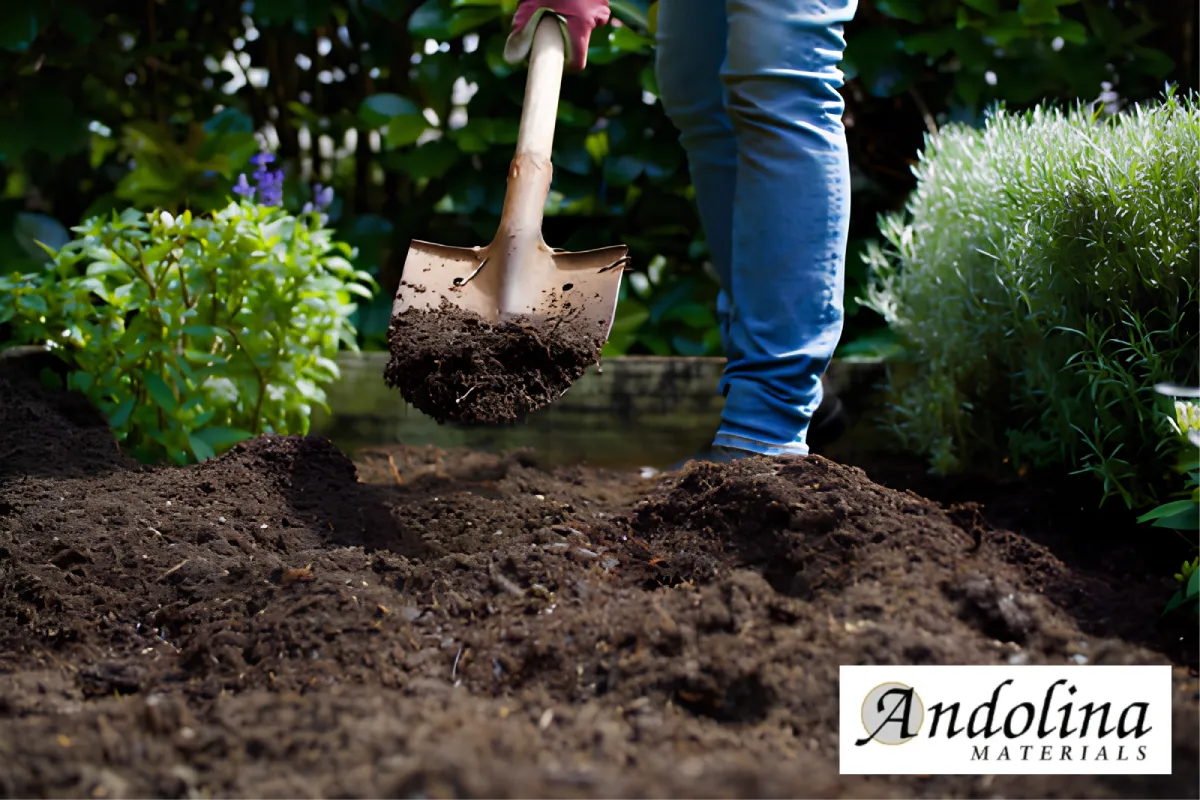
Debunking Common Industry Myths About Filling Low Landscape Spots
Myth: “You Can Fill a Low Area to the Surface Level in One Step Without Accounting for Settling”
A widespread misconception among homeowners and novice landscapers is that dumping loose topsoil level with the surrounding lawn permanently resolves a low spot. Many assume that once the dirt is smoothed flat with a rake, the project is complete. In reality, newly delivered loose topsoil contains a high volume of micro-air pockets.
Once heavy rainfall or irrigation hits the area, those air pockets collapse, causing the soil particles to pack tightly together and leaving the filled zone sunken below the surrounding grass line once again. During a recent site evaluation for a property in Concord, specialists noted that uncompacted low fills sank nearly two inches after the first storm, requiring a second application. Property owners across Mooresville, Indian Trail, and Charlotte, NC recognize that proper grading requires laying soil in incremental lifts (layers), tamping lightly, and overfilling slightly above grade. Sourcing reliable topsoil in Charlotte, NC ensures you receive a manageable, consistent product that settles predictably over time.
Solving Your Landscape Elevation Challenges with Proven Industry Standards
Achieving a stable, perfectly level grade requires clean materials, precise depth calculations, and a supplier you can trust. When you work with Andolina Materials, you gain a dedicated partner committed to making your site preparation seamless, straightforward, and successful from start to finish. We believe in providing high-quality, screened topsoil backed by honest advice, clear communication, and dependable scheduling, ensuring your project stays on track without costly delays or material shortages.
By choosing us, you get:
- The Most Reliable Provider of Landscape Materials: Backed by over 15 years in business, we supply screened, weed-free topsoil designed to give your lawn or garden a lasting, level foundation.
- A One-Stop-Shop For All Your Finest Landscaping Materials: From nutrient-rich topsoil and structural fill dirt to compost amendments and gravel, we carry everything required to complete full yard restorations under one roof.
- Uncompromising Quality and Service: Our operational promise is straightforward: we offer premium products, and we deliver.
Whether you are a homeowner leveling a minor lawn depression or a commercial contractor preparing a multi-acre site, our extensive inventory and hands-on expertise guarantee you receive the exact yardage your property requires. Utilizing professional topsoil delivery in Charlotte, NC services takes the stress out of heavy hauling, placing rich, grade-ready soil right where you need it so you can complete your project with total confidence.
Conclusion
Successfully building up low landscape areas requires selecting the right soil type, accounting for natural compaction, and applying material in proper layers. Sourcing quality screened topsoil from Andolina Materials can help create a more even surface and support a healthy growing environment for your lawn. Homeowners, landscapers, and contractors can rely on quality materials, practical guidance, and dependable delivery for their landscaping projects.
Ready to fix low spots and level your yard with confidence? Contact us today to request a free estimate or schedule your material delivery, and let our experienced team provide the premium soils and expert guidance your landscape deserves.
Frequently Asked Questions
How do I calculate how many cubic yards of topsoil I need for a low landscape spot?
Multiply the length by the width of the area in feet, multiply by the desired depth in feet (e.g., 4 inches = 0.33 feet), and divide the total cubic feet by 27 to calculate the total cubic yards needed.
How deep can I apply delivered topsoil without harming nearby tree roots?
Adding more than 2 inches of topsoil over existing tree root zones can suffocate roots by blocking oxygen and moisture exchange; deeper grading fills should taper off before reaching a tree’s drip line.
Should I use fill dirt first before adding topsoil to deep depressions?
Yes, for low areas deeper than 6 inches, use dense structural fill dirt for the bottom base layer and cap the top 3 to 4 inches with nutrient-rich screened topsoil for planting or sodding.
How long should I wait after topsoil delivery before planting grass seed or laying sod?
Water the newly spread topsoil thoroughly and allow it to settle for 24 to 48 hours to identify and correct any remaining low spots before spreading grass seed or installing fresh sod.