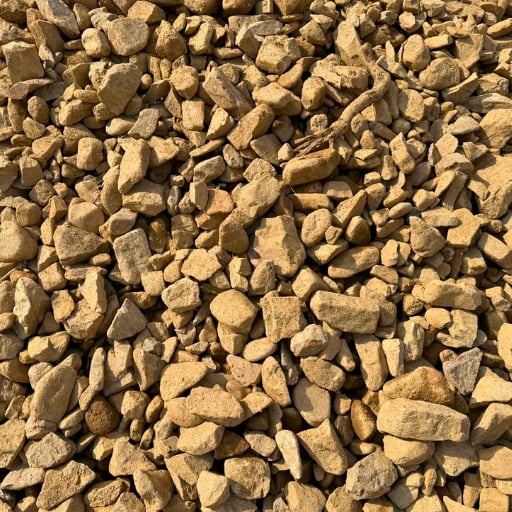
To choose the right mulch, match the material’s decomposition rate and pH level to your plant’s specific needs and your soil’s drainage capacity. High-nutrient feeders thrive with faster-decomposing organic matter, while decorative shrubs benefit from dense, interlocking fibers; meanwhile, poorly drained soils require coarser textures to prevent moisture stagnation and root rot.
The Strategic Importance of Material Selection
When planning a landscape refresh, the variety of textures and densities available can be overwhelming. However, selecting a ground cover is one of the most critical decisions you will make for your property’s long-term health. The material you choose serves as the primary interface between the atmosphere and the delicate root systems of your plants. It influences everything from nutrient availability and acidity to the survival rate of beneficial soil microbes.
In many cases, selections are made based on aesthetics alone, only to find that certain species are struggling or the soil has become a compacted, anaerobic mess. During a recent project audit for a residential client in Cornelius, we discovered that a fine-textured material had created a “matting” effect over heavy clay soil, effectively suffocating the root systems of several mature ornamental trees. Understanding the relationship between particle size and soil biology is essential for any successful gardening endeavor.
The material you choose also dictates the water cycle of your garden. A coarse material allows water to penetrate quickly to the soil surface, whereas a very dense or matted material might cause water to run off the top like a thatched roof, leaving the roots thirsty despite heavy rainfall. Conversely, in sandy soils that dry out too fast, a finer texture is necessary to act as a seal, keeping the precious moisture locked in the ground. Choosing correctly requires an honest assessment of your existing soil type and the specific metabolic needs of your botanical collection.
Matching Material Characteristics to Plant Categories
Different botanical groups have evolved to thrive in specific environments. By choosing a material that mimics a plant’s natural habitat, you reduce the need for supplemental fertilizers and intensive maintenance.
1. Acid-Loving Varieties and Evergreens
Certain species require a lower soil pH to absorb essential nutrients like iron and magnesium. Using specialized organic covers that naturally lower pH over time is the most sustainable way to support these plants. This subtle, long-term adjustment is far more stable and safer for the root zone than aggressive chemical amendments.
2. Annuals and Delicate Perennials
Flowers that grow and bloom rapidly have high metabolic needs. They benefit from materials that break down into rich humus quickly, providing an immediate boost of organic matter. This rapid nutrient cycling supports the intense energy requirements of flowering plants throughout the peak growing season.
3. Trees and Large Ornamental Shrubs
For the “backbone” of your landscape, longevity and stability are key. A durable thermal barrier protects large root zones from temperature swings. Heavier, more fibrous materials provide a steady, multi-year improvement to the soil structure without requiring frequent replenishment.
4. Vegetable and Edible Gardens
Safety and nutrition are the priorities for food crops. Natural, untreated covers are ideal because they are free of synthetic additives and high in nutrient-cycling potential. These materials encourage earthworm activity, which naturally aerates the soil around sensitive roots.
Selection Matrix: Soil and Plant Compatibility
To simplify the process, we have developed a compatibility matrix that pairs soil conditions with the best material characteristics for the job.
| Soil/Plant Condition | Recommended Material Attribute | Primary Benefit |
| High pH (Alkaline) Soil | Acidifying Organic Matter | Naturally balances soil chemistry over time. |
| Heavy Clay Soil | Coarse, Large-Particle Texture | Improves aeration and prevents oxygen blockages. |
| Sandy, Fast-Draining Soil | Fine, Moisture-Retentive Shreds | Maximizes water retention and slows evaporation. |
| Sloped Landscapes | Interlocking Fibrous Shreds | Prevents “washout” during heavy rain events. |
| High-Traffic Borders | Heavy, Dense Textures | Stays in place and resists wind displacement. |
Applying Our Professional Standards to Your Project
At Andolina Materials, we believe that providing the right advice is just as important as providing the right product. We strive to be a helpful partner for our customers, providing top-quality materials and expertise to make your landscaping projects easier and more successful. We have spent 15+ years in business observing the unique soil challenges of the Piedmont region, and we use that experience to guide every recommendation we make.
As the most reliable provider of Landscape Materials, we understand that a “one-size-fits-all” approach to ground cover simply doesn’t work. This is why we have established ourselves as the One-Stop-Shop For All Your Finest Landscaping Materials. Whether you are dealing with the red clay of Concord or the sandy loam found in areas where people frequently search for Mooresville mulch delivery, we have a specialized material tailored to your environment.
We offer Premium Products that are properly aged. This is a critical distinction; many generic suppliers sell “green” wood that hasn’t been allowed to sit and stabilize. Green wood can actually rob your soil of nitrogen, leaving your plants yellow and stunted. Our materials are screened and cured to ensure they support, rather than hinder, your garden’s growth. Best of all, we deliver. We prioritize timely delivery to ensure our clients’ projects run smoothly, providing the precise volume needed to achieve a healthy 3-inch depth across your entire property.
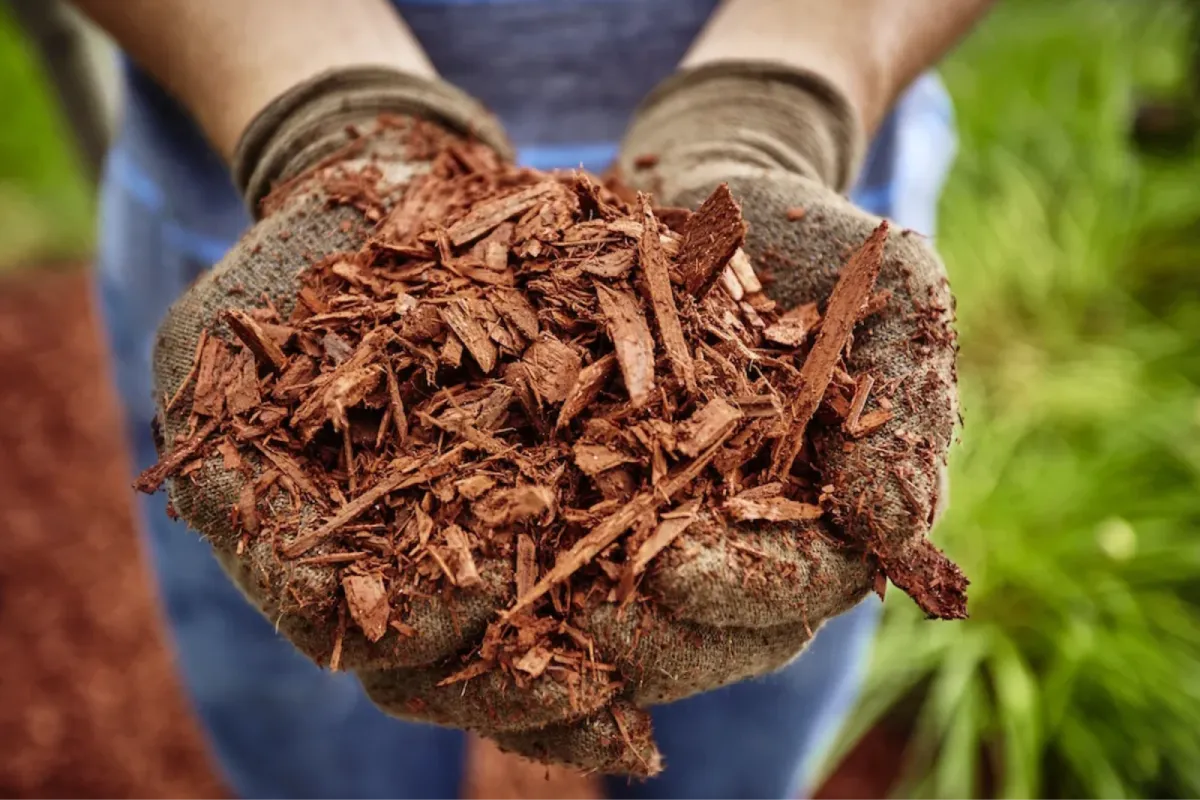
The “Green Wood” Myth: Why Aged Material Matters
A frequent myth in the landscaping industry is that using fresh wood chips directly from a tree service is the “most natural” way to fertilize the ground. While it may seem environmentally friendly, applying unaged wood to your ornamental beds can lead to “nitrogen lockout.”
The bacteria responsible for breaking down high-carbon wood require nitrogen to do their work. If the wood is fresh, these microbes will pull nitrogen from the surrounding soil to fuel the decomposition process, effectively competing with your plants for nutrients. By using professionally aged mulch in Mooresville, you are applying a product that has already moved through the initial high-nitrogen-demand phase, making it a safe and nutritious addition to your garden beds from day one.
Functional Specifications for Strategic Application
When evaluating your options for mulch in Mooresville, NC, consider these four physical specifications:
- Decomposition Rate: This determines the “longevity” of your investment and how quickly nutrients are returned to the soil. A material that disappears in six months might be great for a vegetable patch but frustrating for a front-yard display.
- Texture and Consistency: Coarser textures are better for slopes and heavy soils because they allow for better gas exchange (oxygen/CO₂) and don’t wash away easily. Fine textures are better for aesthetic uniformity and water sealing in dry soils.
- Acidity (pH Level): Choosing a material that matches your soil’s target pH can reduce the need for expensive chemical adjusters. Over the course of several years, the cumulative effect of the right mulch can save you hundreds of dollars in soil amendments.
- Weight and Density: Dense materials are essential for high-wind areas or properties with significant water runoff issues. Lightweight materials might look good initially, but can end up in your lawn or on the street after the first thunderstorm.
Conclusion: Trust the Experts at Andolina Materials
Choosing the right type of ground cover is the foundation of a resilient, beautiful landscape. Our experienced team is committed to providing the best materials for landscaping projects, ensuring that you receive exactly what you need for your unique project requirements. We want our audience to feel confident and reassured that their landscaping projects will succeed with our materials.
What sets us apart at Andolina Materials is our extensive experience and the wide variety of high-quality landscaping materials we offer. We focus on delivering not just products, but also expertise and personalized service. Whether you are a homeowner tackling a weekend project or a contractor managing a large-scale development, we are here to help.
Ready to transform your soil and give your plants the environment they deserve?. We encourage you to reach out to our knowledgeable team for personalized advice on selecting the best materials for your specific landscaping needs.
People Also Ask (FAQ)
How do I know if my soil is too alkaline for my plants?
If your ornamental shrubs have yellow leaves with green veins, they likely have iron chlorosis caused by high pH. Scheduling a mulch delivery for an acidifying material can help lower the pH and make those nutrients available to the plant again.
Can I mix different types of materials?
Yes. In fact, many professional landscapers will apply a thin layer of compost for nutrients and then top it with a fibrous decorative layer for protection and aesthetics.
Does dyed material affect the soil quality?
Our premium dyed products use non-toxic, carbon-based, or vegetable pigments. They are chemically inert, meaning they won’t change your soil’s pH or harm the beneficial earthworms and microbes in your garden.
How often should I refresh the ground cover?
To maintain a healthy soil temperature and moisture level, you should refresh your cover every 12 to 18 months. Fine-textured materials break down faster and may need more frequent “top-offs.”
What is the best material for preventing weeds?
A dense, interlocking fibrous material is excellent because it creates a mat that blocks sunlight from reaching weed seeds while still allowing water to reach your plant roots.