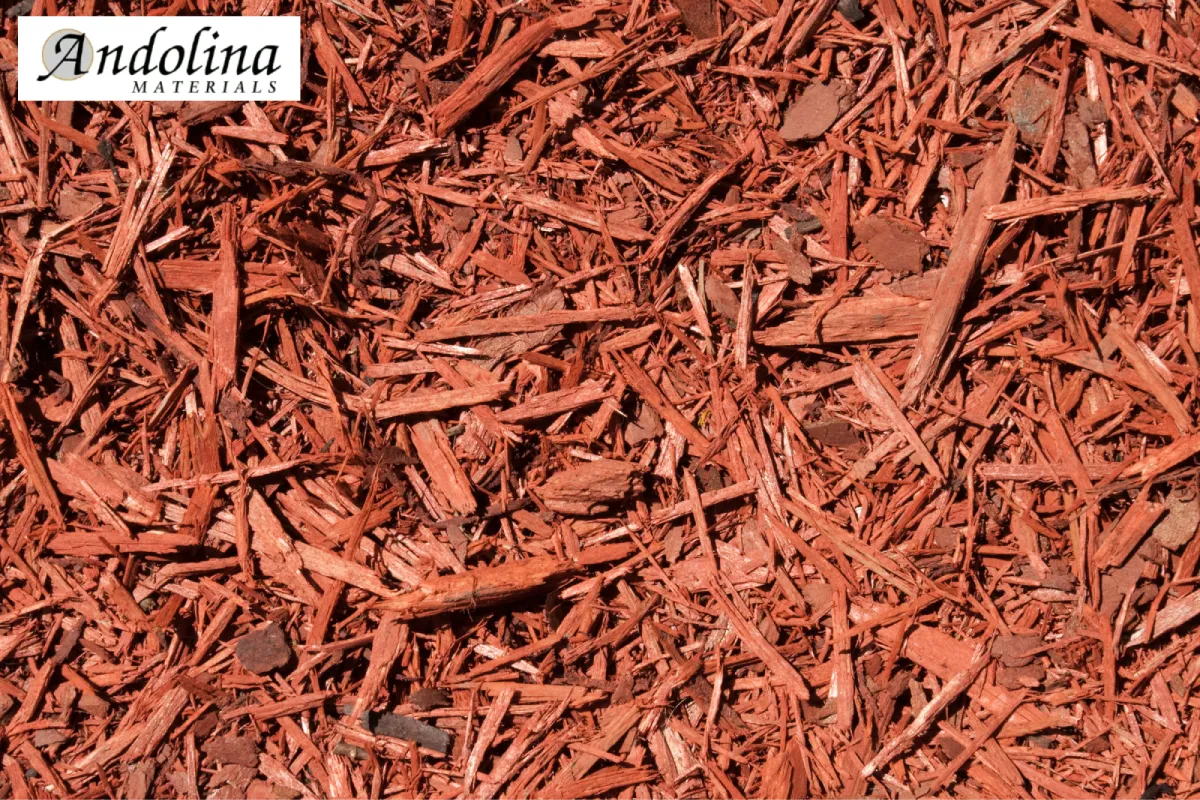
Mulch attracts insects by providing a moist, shaded, and temperate environment that serves as an ideal habitat for many species. While most “bugs” are beneficial decomposers that help break down organic matter into nutrients, improper application or excessive moisture can draw in pests like termites or carpenter ants. Preventing unwanted infestations requires maintaining a proper 2 to 3-inch depth and keeping a clear physical gap between the material and your home’s foundation.
Top Reasons Insects Are Drawn to Mulched Areas
When you upgrade your garden beds, you are essentially creating a high-performance ecosystem. For plants, this is a sanctuary; for insects, it is the ultimate real estate. Understanding why insects congregate in these areas is the first step toward effective management.
1. Moisture Retention and Humidity
Many common “garden bugs,” such as pillbugs, sowbugs, and certain species of centipedes, have specialized respiratory systems that require high humidity to function. Mulch acts as a reservoir, trapping moisture in the soil and the material itself. While this is perfect for keeping your perennials hydrated during a hot summer, it also creates a consistent damp zone that attracts moisture-seeking organisms.
2. Thermal Insulation and Protection
The same properties that keep your plant roots cool in the summer and warm in the winter provide a thermal refuge for insects. During a recent audit for a property in Cornelius, we found that insects often migrate deeper into the mulch layer during early spring frosts to escape the freezing air. This insulation provides a stable year-round environment for many life cycles to thrive.
3. Abundant Food Sources
Organic mulch is, by definition, decaying matter. This attracts “shredders”, insects like millipedes and beetles that feed on the wood fibers and associated fungi. While these insects are harmless to your home, their presence can attract secondary predators like spiders or predatory ants.
4. Physical Shelter from Predators
A thick, matted layer of mulch provides a dense canopy that hides smaller insects from birds, lizards, and larger predatory insects. It is a complex architectural environment where insects can nest, lay eggs, and move undetected by the natural checks and balances of the garden.
Pest Prevention Comparison: Strategic Application
Managing the insect population in your landscape isn’t about total elimination; it’s about strategic placement. By following a few professional guidelines, you can enjoy the benefits of mulch in Mooresville without inviting pests into your structure.
| Prevention Strategy | Target Insect | Function | Effectiveness |
| The 6-Inch Foundation Gap | Termites & Carpenter Ants | Creates a dry “dead zone” that stops insect bridges. | Very High |
| Proper Depth (2-3″) | Slugs, Gnats, & Roaches | Allows the surface to dry out, discouraging nesting. | High |
| Aromatic Cedar Use | Moths, Beetles, & Cockroaches | Uses natural Thujone oils as a chemical repellent. | Moderate |
| Seasonal Raking | Ant Colonies & Earwigs | Disturbs nesting sites and aerates damp layers. | Moderate |
Applying Our Professional Standards to Your Project
At Andolina Materials, we recognize that the quality of your landscaping materials directly affects the health and safety of your home environment. We have spent 15+ years in business observing how different materials interact with local pest populations, allowing us to offer expert guidance alongside our products.
As the most reliable provider of Landscape Materials, we prioritize sourcing materials that are aged and processed correctly. Many “cheap” mulch sources contain high amounts of “green waste,” freshly cut grass or leaves, which ferments and attracts gnats and flies. By contrast, we offer Premium Products that have been screened to ensure consistency and reduced pest attraction.
We have built our reputation as a One-Stop-Shop For All Your Finest Landscaping Materials, which means we carry specialized options like natural cedar for those who are particularly concerned about insects near their porch or patio. Furthermore, we deliver. Our professional team understands the importance of volume; we help you calculate exactly what you need to avoid “over-mulching,” which is the single most common cause of insect-related issues in residential yards.
The Termite Myth: Mulch Delivery vs. Home Infestations
A frequent myth in the landscaping industry is that ordering bulk mulch is equivalent to “importing” a termite colony to your front door. This is a significant misunderstanding of termite biology and professional processing.
First, the mechanical shredding process used to create mulch is physically destructive; it is nearly impossible for a delicate, soft-bodied termite colony to survive the grinding machinery. Second, mulch is stored in massive piles that naturally heat up to temperatures between 140°F and 160°F. These temperatures are lethal to termites and most other wood-boring pests.
The real risk involves how the material is applied. Most “mulch-related” termite issues occur when a homeowner piles material too high against their home’s siding, covering the foundation. This creates a hidden, moist “bridge” that allows existing subterranean termites already in the local soil to enter the house. To prevent this, always leave a 6-inch gap between your siding and the visible foundation.
Specifications for Pest-Resistant Landscaping
When selecting your material for a project in Concord, consider these physical specifications to minimize insect activity:
- Natural Cedar Content: Cedar is unique because it contains Thujone, a natural chemical that acts as a repellent for many crawling and flying insects.
- Double-Shredded Texture: This texture allows for better internal airflow than large wood chips. Better airflow means the surface dries faster after a rainstorm, making it less attractive to gnats and mosquitoes.
- Screened Sizing: Consistency in particle size prevents the material from “matting” into a solid, anaerobic layer that traps excessive, stagnant moisture.
- Aged Hardwood Bark: This material is slower to decompose than softwoods, providing fewer immediate food sources for scavengers and “shredder” insects.
Proactive Maintenance to Discourage Infestations
If you have already scheduled your Mooresville mulch delivery, there are several maintenance steps you can take to keep the area less attractive to pests:
- Avoid Irrigation Overload: Ensure your sprinklers aren’t saturating the mulch daily. It is designed to hold water; if you overwater, the layer remains permanently soggy, which is an open invitation for roaches and earwigs.
- Rake the Surface: Once a month, use a garden rake to turn the top inch of mulch. This disturbs any ant nests that may be forming and helps the material “breathe.”
- Monitor Tree Overhangs: In areas like Mooresville, NC, heavy tree canopies can keep mulch beds in permanent shade. In these spots, keep the layer slightly thinner (closer to 2 inches) to help it dry out.
Partner with Andolina Materials for a Healthier Yard
Our brand is reliable, knowledgeable, and community-oriented. We strive to be a helpful partner for our customers, providing top-quality materials and services to make their landscaping projects easier and more successful. At Andolina Materials, we believe in delivering high-quality products with a strong focus on customer satisfaction. Our experienced team is committed to providing the best materials for landscaping projects, and we prioritize timely delivery to ensure our clients’ projects run smoothly.
What sets us apart is our extensive experience and the wide variety of high-quality landscaping materials we offer. We focus on delivering not just products, but also expertise and personalized service, ensuring that our customers receive exactly what they need for their unique projects. We want you to feel confident and reassured that your landscaping project will succeed with our materials.
When you choose mulch delivery in Mooresville, you are choosing quality and reliability.
Are you ready to refresh your landscape with premium, professionally sourced mulch? Reach out to us for personalized advice on selecting the best materials for your landscaping needs.
People Also Ask (FAQ)
Does dyed mulch attract more bugs than natural mulch?
No. The dyes used in professional products are typically carbon- or vegetable-based. They do not contain sugars or pheromones that would attract insects. In fact, because dyed mulch is often more heavily processed, it may have fewer raw organic “scents” that attract certain wood-boring species.
How do I stop ants from nesting in my mulch?
Ants love stability and moisture. To discourage them, keep your mulch depth at a maximum of 3 inches and avoid piling it against wood structures. Occasionally, disturbing the mulch with a rake will make the area feel “unsafe” for a permanent colony.
Is there a type of mulch that actually repels bugs?
Cedar and Cypress are the two best options for natural pest resistance. They contain organic oils that many insects find irritating or toxic. For areas close to the home, many of our clients prefer mulch in a cedar variety for this very reason.
Should I use insecticide on my mulch?
We generally recommend against broad insecticide use in mulch. Most insects are beneficial decomposers that help your plants. If you see a specific problem, such as ants entering the home, focus on a “perimeter treatment” on the foundation itself rather than saturating the entire garden bed.
Does bulk mulch delivery increase the risk of roaches?
Only if it is applied too thickly. Wood roaches are natural decomposers that live in the woods; they aren’t the same as “house roaches.” They stay in the mulch because it’s their food source. As long as you keep the material away from your doors and windows, it will stay in the garden where it belongs.