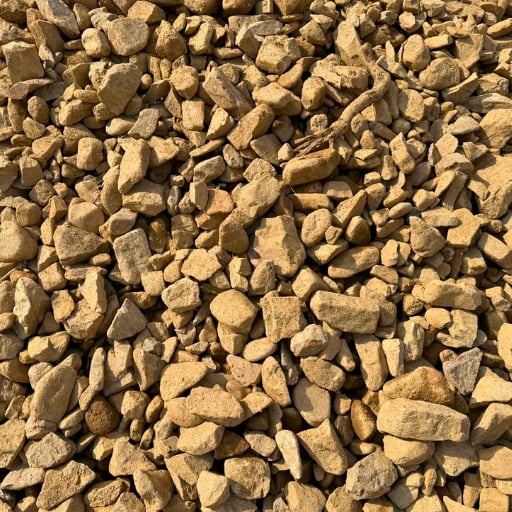
The quality of landscape supply materials directly determines an outdoor project’s structural lifespan because premium aggregates, soils, and stones possess superior structural integrity, optimal drainage properties, and resistance to environmental weathering. Substandard materials degrade rapidly under moisture stress and soil shifting, leading to premature hardscape sinking, severe retaining wall cracking, and widespread plant failure within two to five years. Selecting high-grade materials establishes a stable geological foundation that prevents structural shifting and biological decay, ensuring your outdoor living spaces remain structurally sound and visually flawless for decades.
Technical Specifications and Material Grade Comparisons
To achieve long-term structural integrity, outdoor projects rely heavily on the physical properties and engineering metrics of the underlying materials. Substandard substrates lack the necessary compressive strength and mineral balance required to withstand load stresses and seasonal freeze-thaw cycles. When looking to secure premium products, finding a reliable partner for your landscape supply in Huntersville, NC, is the first step toward project permanence.
Structural Hardscape Aggregates
Hardscape features like patios, driveways, and walkways fail when the base layers compact unevenly or trap subsurface water. Choosing the right material grade ensures load distribution is maintained across the entire installation surface.
- ASTM C33 Sand: A clean, coarsely graded sand profile specifically washed to eliminate organic silts, ensuring immediate moisture drainage and a completely level interlocking joint system.
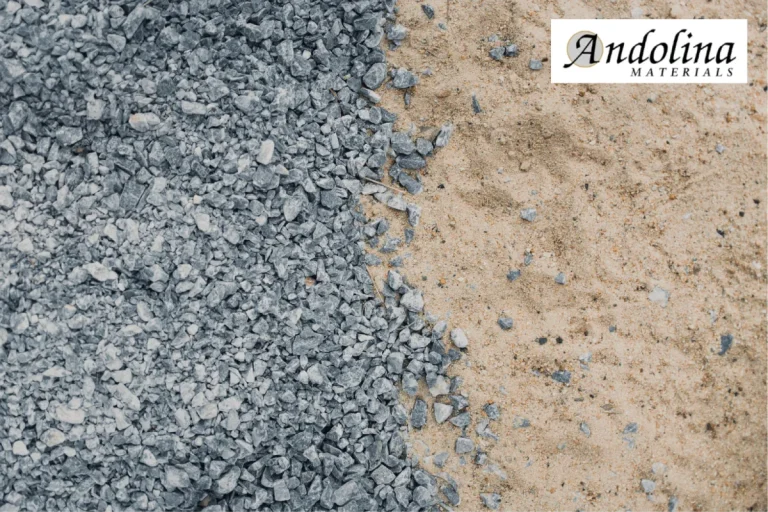
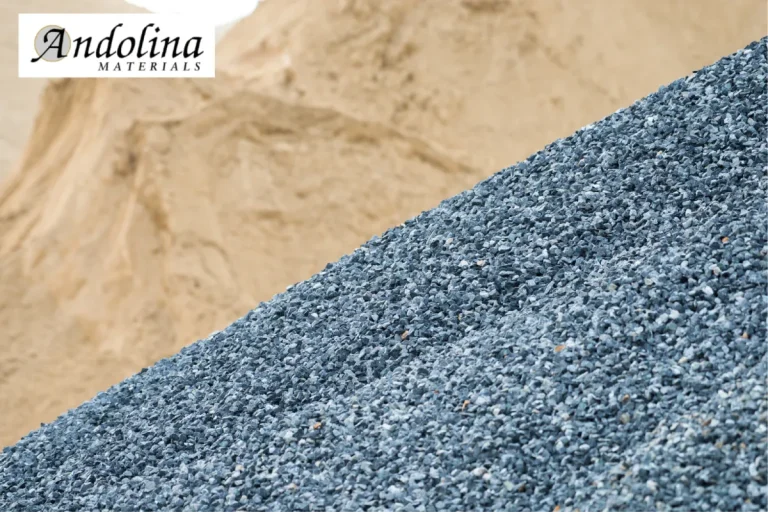
- Crushed Base (Class 6): A precise mixture of three-quarter-inch crushed angular stone down to fine rock dust, engineered to lock tightly together under mechanical compaction to provide maximum load-bearing support.
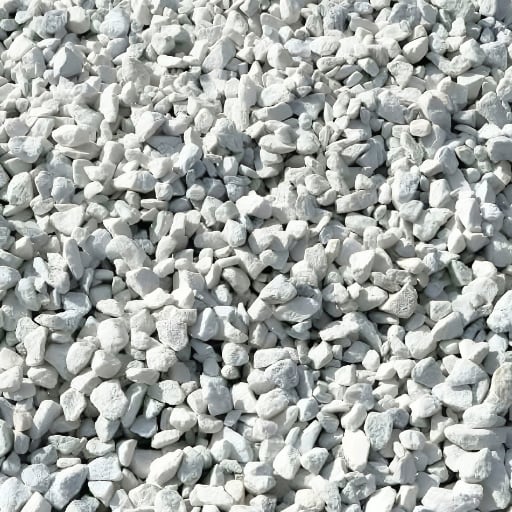
- Pea Gravel (Uncrushed): Rounded, smooth river stones measuring roughly three-eighths of an inch, ideal for surface drainage pathways but structurally unsuited for heavy load-bearing base foundations due to natural shifting.
| Material Feature / Metric | Premium Engineering Grade (e.g., ASTM C33 / Class 6) | Economy / Unrated Bulk Grade | Impact on Project Longevity |
| Compaction Rating | 95% to 98% Standard Proctor Density | Highly variable, prone to uneven settling | Prevents surface pavers from sinking, shifting, or collecting standing water. |
| Permeability Rate | Greater than 5 inches of water per hour | Less than 1 inch per hour due to heavy clay/silt fines | Eliminates subsurface pooling, reducing winter frost heave risks. |
| Angular Particle Ratio | Minimum 85% fractured faces | High percentage of rounded or smooth river rock | Creates a mechanical interlocking matrix that prevents lateral shifting under vehicle loads. |
During a recent site audit for a commercial project near Concord, our team identified that a sinking paver walkway had been built over unrefined crusher run containing high clay content. The lack of angular interlocking particles allowed moisture to pool underneath, which completely destabilized the surface within a single rainy season. Switching to an engineered Class 6 base aggregate completely resolved the shifting issues.
Living Substrates and Soil Blends
Softscape projects like sod lawns, planting beds, and gardens depend on chemically stable, biologically active growing mediums. Cheap, unweeded fill dirt starves plant roots and leads to rapid compaction.
- Screened Topsoil (Premium): Loamy topsoil mechanically sieved to a maximum half-inch particle size, completely free of large rocks, roots, or noxious weed seeds, providing an ideal base for root establishment.
- Aged Leaf Compost: Fully decomposed organic matter rich in microbial life and humic acids, yielding an optimal carbon-to-nitrogen ratio for sustained plant nutrition.
- Raw Fill Dirt: Unscreened, unmanaged subsoil layers often packed with heavy clay, large stones, and dormant weed seeds, entirely lacking the air porosity needed for root respiration.
Degradation Timeline of Low-Grade Material Failures
When low-quality materials are used in outdoor construction, the landscape experiences a highly predictable structural breakdown over time. Environmental stressors expose material weaknesses in a continuous chain reaction.
- The Compaction and Separation Phase
Unrated base aggregates shift under light traffic, causing minor paver shifting and surface misalignment, while unrefined soils compact into dense, oxygen-deprived hardpans.
- The Moisture and Organic Failure Phase
Subsurface water pools due to poor aggregate drainage, initiating frost heaves in winter, while raw, uncomposted organic matter decomposes completely, causing dramatic soil volume loss and plant root rot.
- The Structural Fracture Phase
Retaining walls tilt forward as low-grade backfill retains heavy hydrostatic pressure, and natural soft stones (like low-density limestone or soft sandstone) begin to scale, crack, and flake apart from moisture absorption.
- The Complete System Collapse Phase
Paver fields collapse into deep ruts, retaining walls suffer catastrophic structural failure, and deep-rooted trees or shrubs die off entirely due to poor drainage and severe nutrient depletion.
We routinely encounter these failure timelines when troubleshooting residential landscapes around Mooresville. A hardscape or planting bed built with cut-rate materials will look acceptable for a few months, but as local precipitation patterns stress the foundation, structural integrity deteriorates. Utilizing a trusted Huntersville landscape supply source prevents these early failure cycles from destroying your hard work.
Debunking the Myth: “All Dirt, Mulch, and Stone Are Inherently the Same”
A common and highly destructive misconception in the landscape industry is that structural materials are simple commodities, meaning a cubic yard of budget rock or soil will perform identically to a premium, certified product. Property owners frequently select suppliers based solely on the lowest price per ton, believing they are saving money on the exact same structural components. This assumption is fundamentally false.
Budget stone aggregates are rarely washed or sorted correctly, meaning they contain high percentages of fine clay and rock dust. When exposed to rain, these fine particles wash into the gaps between stones, clogging the drainage pathways and turning your structural base into a shifting, muddy slurry.
Similarly, cheap mulch is often shredded from discarded construction pallets or diseased clearing debris, introducing wood-boring pests, chemical treatments, and resilient weed seeds directly into your yard. Premium landscaping products are engineered, screened, and tested to meet strict standards. Sourcing your materials through an established Huntersville, NC, landscape supply company ensures your bulk goods are entirely free of destructive contaminants. Investing in verified material quality is the only way to avoid paying thousands of dollars in premature demolition and reconstruction costs down the road.
Our Multi-Stage Preservation Framework
A successful outdoor project starts with high-quality materials. As the most reliable provider of landscape materials, we bring 15+ years of experience in business as a one-stop shop for all your finest landscaping materials. We offer premium products; we deliver dependable materials that help landscapes perform for years to come.
- Precision Material Screening: Screened soils, compost, and aggregates provide consistent quality for proper drainage, compaction, and plant growth.
- Strict Quality Control: Every batch is checked to ensure reliable performance across landscaping applications.
- Reliable Delivery: Clean storage and careful handling preserve material quality from our yard to your job site.
For homeowners and contractors throughout Charlotte, choosing a trusted landscape supply company in Huntersville means starting every project with materials you can rely on.
Secure Your Landscape Investment with Premium Supplies
At Andolina Materials, we believe in delivering high-quality products with a strong focus on customer satisfaction. Our experienced team is committed to providing the best materials for landscaping projects, and we prioritize timely delivery to ensure our clients’ projects run smoothly. What sets us apart is our extensive experience and the wide variety of high-quality landscaping materials we offer. We focus on delivering not just products, but also expertise and personalized service, ensuring that our customers receive exactly what they need for their unique projects.
We want you to feel confident and reassured that your next outdoor transformation is engineered to last for decades. Let us be your helpful partner to make your next project easier and completely successful. Contact us today to request a free estimate or to schedule a reliable, timely bulk delivery for your home or job site.
Frequently Asked Questions
Why does cheap mulch decompose faster than premium bark mulches?
Cheap bulk mulch is typically made from shredded scrap softwoods or sapwood, which have high cellulose content and break down within a few months, stripping nitrogen from the surrounding soil. Premium mulches are sourced from dense hardwood barks, which contain natural oleoresins that resist fungal decay, retaining their structural volume and color up to three times longer.
What is the difference between washed and unwashed aggregate for a patio base?
Unwashed stone contains a high volume of stone dust and silt. When moisture penetrates the base, these fine particles liquefy and move, leading to hollow voids beneath the pavers and causing the surface to sink. Washed aggregate contains only clean, fractured stone faces, ensuring permanent stone-on-stone contact and continuous drainage.
Can poor soil quality cause mature trees and shrubs to fail years after planting?
Yes. Low-grade, heavy clay or compacted soils lack adequate macropore space, which restricts oxygen flow to deep roots. Over several seasons, the root system becomes stunted and suffocates from trapped water, rendering the plant unable to support its canopy and causing it to succumb to drought, disease, or windthrow.
How do premium jointing materials prevent paver system failure?
Premium polymeric sands use advanced cross-linking polymers that activate when misted with water, forming a flexible yet durable bond within the paver joints. This binder prevents joint washout from heavy rain, stops weed seeds from taking root, and deters ants from excavating the bedding sand beneath.