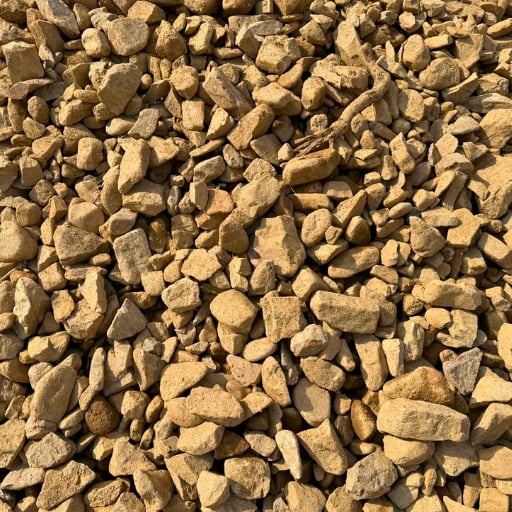
Proper sand and gravel compaction matters because it eliminates hidden air voids, locks aggregate particles together, and provides a stable load-bearing foundation that prevents outdoor surfaces from shifting, sinking, or cracking over time. Without adequate compaction, even the highest-quality materials will eventually fail under traffic and weather stress. Achieving this density ensures that your hardscapes withstand regional climate fluctuations and heavy daily usage without unexpected structural degradation.
Understanding Compaction: The Foundation of Hardscape Durability
Whether you are designing a backyard patio or installing a heavy-duty driveway, compaction is the foundational mechanical process that increases soil or aggregate density by forcing trapped air out of the spaces between particles. Landscape aggregates are naturally loose and unorganized when first dumped, containing significant void space that makes them vulnerable to shifting.
When sourcing your sand in Salisbury, NC, or evaluating structural aggregates, recognizing how particle interlocking works is vital. Achieving the correct density ensures proper load distribution, prevents sub-base rutting, and guarantees long-term structural integrity for outdoor living spaces across the region.
The Compaction Impact Matrix: Uncompacted vs. Properly Compacted Sub-Bases
| Project Element | Risks of Inadequate Compaction | Benefits of Proper Compaction | Recommended Equipment |
| Paver Walkways & Patios | Surface sinking, uneven paver joints, pooling water, tripping hazards. | Locked-in joints, uniform grade retention, superior frost-heave resistance. | Plate compactor / vibratory plate |
| Driveways & Parking Bases | Rutting, tire depressions, base migration, asphalt or gravel displacement. | High load-bearing capacity, resistance to heavy vehicle weight. | Heavy roller or reversible plate compactor |
| Retaining Wall Foundations | Wall leaning, structural cracking, block displacement, catastrophic failure. | Level weight distribution, permanent plumb alignment, stable tier support. | Hand tamper and mechanical compactor |
3 Critical Ways Compaction Prevents Outdoor Surface Failure
Compaction is not merely a step in the checklist, it is an engineering necessity that dictates the lifespan of your hardscape. During a recent site evaluation for a commercial project in Charlotte, our team observed that recurring paver failures were entirely caused by skipped base preparation steps rather than poor material quality.
1. Elimination of Sub-Grade Voids
Compacting aggregate base layers removes trapped air pockets that would otherwise collapse under weight. By eliminating these voids, you prevent sudden localized depressions and surface shifting.
2. Moisture Intrusion and Drainage Control
A tightly compacted sub-base minimizes excessive water infiltration and stops sub-grade erosion. When water cannot pool beneath your surface materials, it flows safely away from structural zones.
3. Enhanced Load Distribution
Proper density allows surface layers, whether pavers, stone, or gravel in Salisbury, to distribute weight evenly across the entire sub-base rather than concentrating heavy loads onto weak structural points.
Common Industry Myth: “Compaction Only Matters for the Top Layer”
A widespread misconception among DIY builders and inexperienced contractors is that thoroughly compacting the visible surface layer of pavers or gravel is entirely sufficient, assuming lower base layers will naturally settle. In reality, compaction is strictly cumulative. If the deeper sub-base aggregate layers are loose or unevenly compacted, no amount of surface tamping will fix the structural instability below. Over time, traffic and rain will cause those lower layers to shift, resulting in severe surface waves and structural failure. Structural stability always starts from the bottom up, every single lift of sand in Salisbury or crushed stone must be systematically compacted to specification.
Specifications and Material Definitions
To ensure your installation meets structural standards, it helps to understand these key technical specifications:
- Proctor Density (Modified/Standard): A laboratory and field benchmark indicating the maximum dry density to which a specific aggregate or soil can be compacted under standardized compactive effort.
- Lift Thickness: The maximum depth of loose material (typically 3 to 4 inches for aggregates) that can be effectively compacted in a single pass using standard compaction equipment.
- Optimum Moisture Content (OMC): The precise water percentage that acts as a temporary lubricant between aggregate particles, enabling them to slide together tightly during mechanical compaction.
Our Approach to Rigorous Material Quality Control
What truly sets us apart is our hands-on, rigorous approach to managing, testing, and verifying the quality of all bulk materials before they leave our yard. Rather than relying on generic weight-to-volume charts, our team monitors local storage drainage patterns and grading consistency for every product category.
When you source gravel in Salisbury, NC, or specialized aggregates for projects extending into Concord or Mooresville, our experts ensure that your materials arrive with the exact physical characteristics needed for successful mechanical interlocking. We continuously review our inventory to provide you with clean, well-graded stone that responds predictably to plate compactors and rollers every time.
Putting Expertise to Work: Why Choose Andolina Materials?
As the most reliable provider of landscape materials, we offer premium products; we deliver. With over 15 years in business, we understand that inconsistent materials ruin project timelines and bloat budgets. When you choose Andolina Materials, you aren’t just buying bulk rock or sand, you are partnering with a team that values your success as much as our own.
We pride ourselves on being community-oriented, reliable, and deeply knowledgeable. We want you to feel confident in every stage of your project, from the first measurement to the final layer of compaction.
Get Your Landscape Project Started Right
Choosing the right landscape materials can make all the difference in your project. Whether you’re a homeowner planning a backyard upgrade or a contractor managing a larger job, Andolina Materials provides quality materials and dependable support to help bring your vision to life.
Contact us today for a free estimate or to schedule your delivery. Our experienced team is ready to provide the personalized advice you need to ensure your next project is a complete success.
Frequently Asked Questions
Why is compaction important for sand and gravel?
Proper compaction removes air pockets and locks aggregate particles together, creating a stable foundation that helps prevent shifting, sinking, and cracking.
How thick should each gravel layer be before compaction?
Loose aggregate is commonly installed in lifts of about 3 to 4 inches so compaction equipment can effectively reach the desired density throughout each layer.
Can gravel settle if it is not properly compacted?
Yes. Uncompacted gravel can shift and develop voids under traffic, rainfall, and changing ground conditions, eventually causing uneven surfaces and settlement.
Does moisture affect sand and gravel compaction?
Yes. The right amount of moisture can help particles move into a denser arrangement, while excessive water can interfere with achieving proper compaction.
What equipment is best for compacting sand and gravel?
A vibratory plate compactor is commonly used for patios and walkways, while heavier rollers or reversible plate compactors may be better suited for driveways and larger projects.