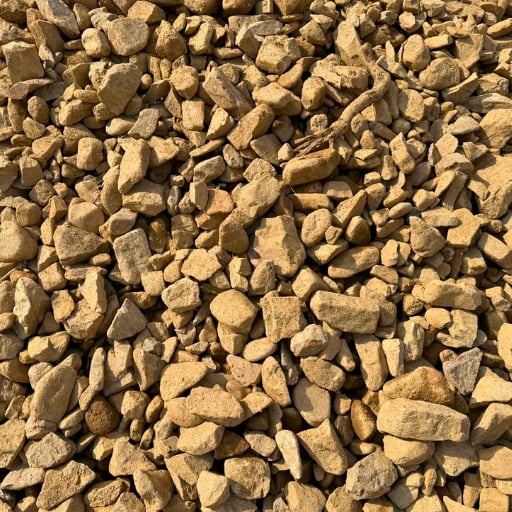
When it comes to landscaping, sand plays a crucial role in creating a strong foundation, enhancing aesthetic appeal, and providing the necessary drainage for various outdoor projects. Whether you’re working on a garden, a pathway, or even a paver patio, understanding the types and their uses is essential to ensuring the success of your landscaping project.
In this article, we’ll walk you through everything you need to know about Charlotte, NC sand for landscaping. By the end, you’ll have a clear understanding of how to choose the best material for your project and how to use it effectively. Plus, you’ll discover the right supplier to get high-quality materials delivered to your project site, helping you complete your landscaping tasks with ease.
5 Key Elements of Using Sand in Landscaping
- Base Layer for Pavers:
- Sand helps create a stable base when laying pavers, preventing shifting and ensuring long-term durability.
- Soil Amendment:
- Sand improves soil drainage and aeration, making it an excellent addition to garden beds or lawns that require better water flow.
- Pathway Creation:
- Sand is an ideal material for creating walkways and paths, adding a natural, rustic element to your landscape.
- Drainage Solutions:
- Sand is highly effective at improving drainage, especially in areas where the soil tends to retain water.
- Filling and Leveling:
- Sand is used to fill low areas and level the ground, ensuring an even surface for planting, sod, or hardscaping features.
What is Sand for Landscaping?
It refers to any type of granular material used in the creation of outdoor spaces. It serves multiple purposes, such as providing a stable base for pavers, enhancing drainage, and helping to level out the ground in garden beds or lawns. The right type of sand is essential for ensuring that your landscaping project is durable, functional, and aesthetically pleasing.
It is a naturally occurring granular material produced by the breakdown of rocks through natural forces such as wind and water. Primarily composed of silica, other minerals may be present depending on the source. This makes sand a versatile material for many landscaping needs.
How Sand Works in Landscaping Projects
It has a wide range of applications in landscaping projects. Here’s an overview of the most common uses of sand in Charlotte, NC, outdoor spaces:
Base Layer for Pavers
One of the most important applications of sand is for creating a stable foundation for pavers or other hardscaping materials. Whether you’re building a patio, walkway, or driveway, it serves as an excellent base that helps to level the ground, distribute weight evenly, and stabilize the pavers. Without a proper base, your pavers may shift, settle unevenly, or crack over time.
- Benefits: Ensures pavers are level, stable, and durable over the long term.
- Best for: Patios, walkways, driveways, and other paved areas.
Improving Drainage
Charlotte’s humid climate and frequent rainfall can make drainage a key consideration for your landscaping project. It plays an essential role in improving drainage, as it allows water to flow through the soil more freely. This is especially useful in areas where soil compaction could lead to waterlogging or areas with poorly draining clay soils. By adding sand in Charlotte, you can improve overall drainage and prevent water buildup, which could lead to root rot or other water-related problems in plants.
- Benefits: Promotes better water movement, reduces soil compaction, and prevents flooding in low-lying areas.
- Best for: Garden beds, lawns, and areas that require good drainage.
Leveling Uneven Ground
Another great use of sand is for leveling uneven surfaces. Whether you’re preparing an area for planting or installing sod, this material can help fill in low spots or create a smooth, even surface. It ensures that the ground remains stable, preventing dips or uneven growth in your landscaping features.
- Benefits: Creates a smooth and level surface for planting, gardening, and laying sod.
- Best for: Lawn leveling, garden bed preparation, and creating an even surface for installation projects.
Pathways and Decorative Elements
Charlotte sand is also commonly used to create decorative pathways or to fill gaps between pavers. Fine material can help create rustic or beach-style walkways, while also complementing larger hardscaping features. The flexibility of this material allows it to be used in various ways to enhance the beauty of your landscape design.
- Benefits: Adds a rustic or natural touch to your landscape design.
- Best for: Pathways, decorative elements, and gap-filling between stones.
Choosing the Right Sand for Your Landscaping Project
Selecting the right sand for your landscaping project depends on several factors, including the specific needs of the project, the climate in Charlotte, and the intended aesthetic. Here’s how to choose the best option for your needs:
1. Assess the Purpose of Your Project
Understanding the purpose of the material will help you select the right type for your project. Different sand types serve different functions:
- For Paver Installation: Choose paver sand, which is coarser and more angular, providing excellent support for pavers and preventing them from shifting.
- For Soil Amendment: Sharp or river sand can improve drainage and texture in garden soil.
- For Decorative Pathways or Gaps: Fine sand works well for filling in the gaps between pavers, providing a clean, smooth finish that helps hold the pavers in place.
2. Consider the Local Climate and Drainage Needs
Charlotte’s humid climate and seasonal rainfall should be factored into your choice of material. Areas prone to standing water or soggy soil will benefit from sand types that promote drainage, like river sand or sharp sand. These types feature larger, angular grains that improve water flow and prevent soil compaction.
3. Evaluate the Texture and Grain Size
The material varies in texture from fine and powdery to coarse and gritty. The texture of sand plays a significant role in its performance:
- Fine Sand: Best for leveling areas or filling small gaps between pavers.
- Coarse Sand: Ideal for drainage or as a base layer under pavers, as its angular grains lock together to create stability.
4. Look for Quality and Purity
High-quality sand is clean and free from contaminants like clay, rocks, and organic materials, which can negatively affect its performance. Be sure to select clean, well-washed that has been processed to remove any impurities.
5. Consult with a Supplier
If you’re unsure which type of material is best for your project, consulting with a local supplier can help. They can provide expert advice, suggest the best sand for your specific needs, and recommend the right amount to order.
About Andolina Materials
At Andolina Materials, we take pride in offering the best landscaping products to the Charlotte, NC area. Our diverse selection of high-quality sands, soils, and other materials ensures that your landscaping projects will be both functional and beautiful. Whether you’re a homeowner looking to revamp your garden or a contractor needing reliable materials for a large project, we are here to help.
With over 10 years of experience in the industry, we provide expert advice, top-notch materials, and timely delivery. Our team is committed to making your landscaping projects a success. Ready for a free quote? Contact us today! For more information or to schedule a delivery.
FAQ: People Also Ask
Q1: Can I use regular beach sand for landscaping?
- Beach sand is typically too salty and fine for most landscaping purposes. It can lead to poor drainage and may contain contaminants that harm plants. It’s better to use masonry or sharp sand for landscaping projects.
Q2: How much sand do I need for pavers?
- The amount required depends on the size of the area you’re covering and the thickness of the sand layer. As a general rule, you’ll need about 1 ton for every 50-75 square feet of paver installation.
Q3: Can sand improve the soil for planting?
- Yes! Mixing sand with clay soil can improve its texture, drainage, and aeration, making it more suitable for plant growth.
Q4: What’s the difference between sharp sand and paver sand?
- Sharp sand has angular grains and is often used for improving soil drainage or as a base for pavers. Paver sand is finer and used to fill the gaps between pavers to prevent shifting.
Q5: Can I use sand for leveling my lawn?
- Yes, it can be used to level uneven lawns. It helps fill in low spots and creates a smooth, even surface for planting sod, grass, or other landscaping features. However, it’s essential to mix the sand with soil to improve the overall quality and ensure proper drainage.