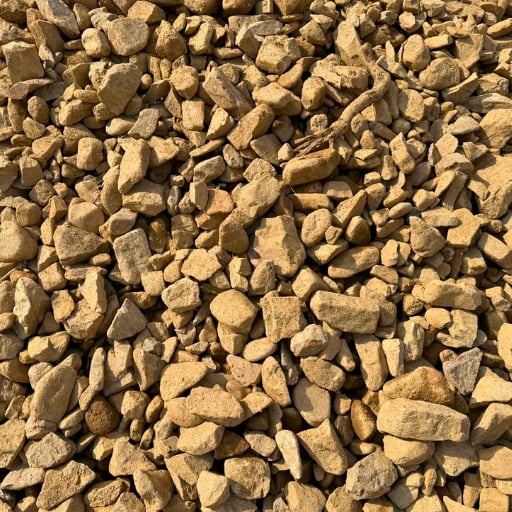
Sand and gravel quality affects hardscape stability because substandard aggregates with excessive fines, rounded river rocks, or variable particle sizes fail to lock together under compaction. When low-grade base materials shift or wash out beneath pavers and retaining walls, the entire hardscape structure loses structural integrity, leading to severe settling, cracking, and eventual failure.
The Technical Science of Angular Interlocking and Aggregate Compaction
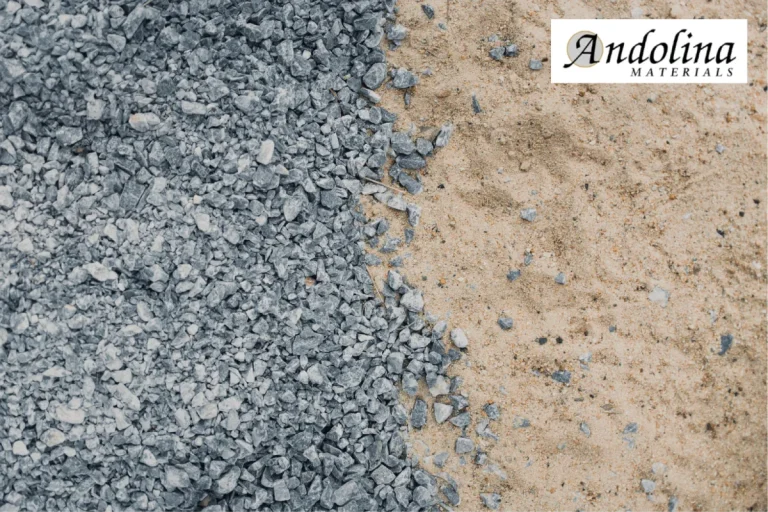
Understanding why aggregate selection determines patio and retaining wall longevity requires examining how crushed stone and bedding sand interact under vertical loads. High-performance hardscape bases rely on angular, fractured crushed stone (such as Graded Aggregate Base) whose sharp edges lock together mechanically when compacted with a vibratory plate compactor. Conversely, rounded gravel acts like tiny ball bearings, shifting under pressure and causing surface pavers to sink.
Key Hardscape Aggregate and Sub-Base Definitions
- Crushed Aggregate Base (CAB): A precisely graded mixture of angular crushed stone and stone dust designed to achieve maximum density and load-bearing strength.
- ASTM C33 Washed Concrete Sand: A coarse, sharp bedding sand free of silt and organic matter that prevents paver shifting while allowing minor drainage.
- Proctor Compaction Density: A standardized engineering measurement determining the optimal moisture and compaction level required to lock base aggregates into a solid foundation.
| Aggregate Type | Particle Shape & Texture | Compaction & Interlocking Strength | Primary Hardscape Application |
| Rounded Pea Gravel | Smooth, spherical pebbles | Poor (particles roll and slide past one another) | Decorative top dressing only (never for base) |
| Quarry Crusher Run | Angular, sharp-edged stone & dust | Exceptional (locks tightly under vibration) | Sub-base foundation for pavers and walls |
| Washed Concrete Sand | Coarse, angular quartz grains | High (resists liquefaction and shifting) | Bedding layer directly beneath unit pavers |
During a recent structural inspection for a masonry project, our technical team examined how regional sub-base settling impacts long-term paver patio alignment. Sourcing dependable sand in Salisbury, NC, and high-grade crushed aggregates ensures that your hardscape foundation remains rigid, perfectly leveled, and resistant to seasonal ground movement.
Chronological Stages of Proper Hardscape Base Preparation and Layering
Executing a permanent, shifting-resistant hardscape feature requires a strict, multi-stage excavation and aggregate compaction protocol. When contractors look for reliable gravel in Salisbury, NC options, understanding this progressive installation timeline highlights why skipping proper aggregate grading causes structural failure.
- Sub-Grade Excavation & Stabilization
Excavate native soil to the required engineering depth and install a woven geotextile stabilization fabric to prevent soil migration.
- Crushed Aggregate Base Installation
Spread angular crushed stone in 2-inch lifts, applying moisture and compacting each layer thoroughly with a heavy vibratory plate.
- Screeded Bedding Sand Placement
Lay and screed a 1-inch layer of coarse, washed concrete sand to provide a uniform, stable bed for paver placement.
- Compaction & Polymeric Joint Sealing
Vibrate pavers into the bedding sand and sweep in high-grade polymeric sand to lock joints and seal out moisture.
We routinely assist landscape professionals and homeowners throughout Charlotte, Concord, and Mooresville in sourcing premium masonry aggregates. Ensuring that every delivery of sand in Salisbury arrives precisely graded and clean guarantees that your retaining walls and patios will stand strong for decades.
How-to: Evaluating Sand and Gravel Quality Before Installation
Determining whether bulk sand and gravel supplies meet structural hardscape standards can be evaluated through a structured physical inspection protocol. Follow these core steps:
- Perform the Silt Jar Test: Mix a sample of bedding sand with water in a clear jar, shake it, and let it settle; a high layer of cloudy silt indicates poor washing and inferior quality.
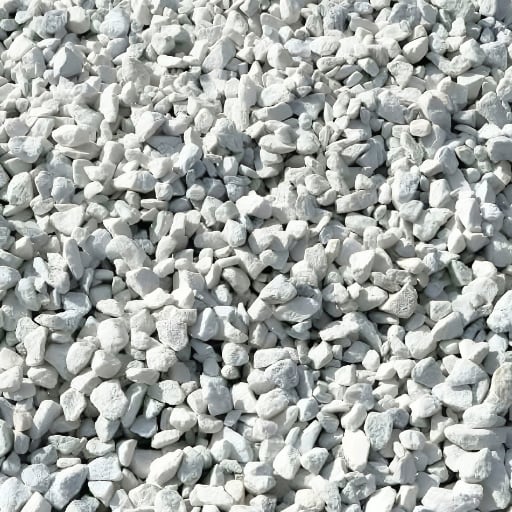
- Inspect Aggregate Angularity: Grab a handful of base gravel and verify that the stones feature sharp, fractured faces rather than smooth, rounded river-run edges.
- Check for Uniformity and Oversized Chunks: Ensure that crushed stone deliveries are evenly graded without massive boulders or excessive fine dust that can trap water.
Whether you are planning a backyard fire pit patio or a commercial entrance driveway, executing this material evaluation protocol protects your investment. Sourcing certified gravel in Salisbury materials guarantees that your base layers achieve optimal Proctor compaction density.
Debunking the Myth: “Any Cheap Pile of Gravel or Yard Dirt from a Discount Supplier Works Just Fine for Paver Bases”
A widespread masonry misconception is that hidden sub-base materials do not matter, meaning contractors or homeowners can save money by dumping unwashed pit run gravel, topsoil, or cheap round river stone beneath patios.
In reality, unverified aggregates contain excessive clay, silt, or rounded stones that cannot achieve structural lockup. When moisture enters these cheap bases, the fine silt turns to mud, causing pavers to sink, heave, and separate under everyday foot or vehicle traffic. Investing in certified, washed, hardware-grade hardscape aggregates guarantees a rigid foundation that stands the test of time.
Applying Our Professional Supply Standards
To address the demanding challenges of structural hardscape engineering, where settling, shifting, and drainage failure threaten outdoor living spaces, we anchor our material delivery processes in a rigorous quality framework.
At Andolina Materials, our brand is reliable, knowledgeable, and community-oriented. We strive to be a helpful partner for our customers, providing top-quality materials and services to make their landscaping projects easier and more successful. Guided by a strong commitment to customer satisfaction, our experienced team provides the best materials while prioritizing timely delivery to keep your project running smoothly.
When you partner with our team, we leverage our comprehensive standards, including being the most reliable provider of landscape materials and a one-stop shop for all your finest landscaping materials. Backed by over 15+ years in business, we ensure that we offer premium products; we deliver exceptional value right to your job site. Whether you need expert advice on aggregate grading or prompt trucking coordination, we are here to support your success.
Build a Stable Hardscape Foundation Today
A strong patio or retaining wall starts with the right foundation materials. Andolina Materials provides quality sand, gravel, and hardscape aggregates with dependable delivery to help create a stable base built for lasting performance.
Contact us today to schedule your bulk material delivery, and experience the ultimate return of unyielding structural stability, flawless alignment, and long-lasting peace of mind!
Frequently Asked Questions
Can I use mason sand instead of concrete sand for laying pavers?
No. Mason sand is too fine and uniform, lacking the coarse, angular interlocking properties required to keep pavers stable over time.
Why do my patio pavers feel loose and uneven after one winter?
Loose pavers usually result from using uncompacted sub-bases, rounded gravel, or improper drainage that allows the bedding sand to wash away during freeze-thaw cycles.
How thick should the crushed stone base be for a residential paver patio?
Standard pedestrian patios typically require a 4-to-6-inch compacted crushed stone base, while driveways require 8 to 12 inches of base material to support vehicle loads.
Does washed concrete sand prevent weed growth between pavers?
While washed sand is free of organic weed seeds, weeds can grow later if airborne seeds land in organic debris settling on top of the joints; using polymeric sand prevents this.
Can I mix rounded river rock with crusher run for a stronger base?
No. Adding rounded stones to angular crusher run disrupts the mechanical interlock, creating weak spots that will shift and settle under heavy weight.