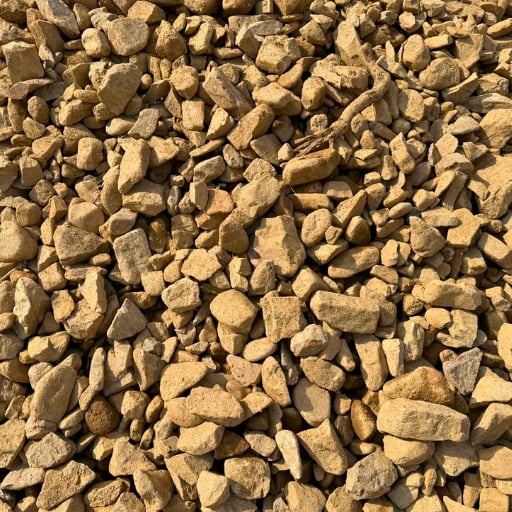
Moisture levels in landscape materials directly affect the actual volume of product you receive and the structural integrity of your project. When materials like soil, gravel, or mulch are saturated, you are often paying for excess water weight rather than the dry solid material required for your specific design needs.
Understanding Moisture Content: The Hidden Factor in Material Weight and Volume
Whether you are a seasoned contractor or a homeowner planning a weekend renovation, moisture is perhaps the most overlooked variable in procurement. Landscape materials are rarely bone-dry; they are stored in open-air yards, exposed to the elements, and inherently porous.
Understanding how moisture interacts with your order is essential for accurate budgeting and project success. When sourcing a landscape supply in Salisbury, NC, it is vital to distinguish between three core moisture states:
- Saturated Surface Dry (SSD): The condition where internal pores are full of water, but the particle surface remains dry.
- Free Moisture: Excess surface water that clings to the exterior of aggregates, adding significant dead weight without increasing volume.
- As-Received Moisture: The real-time water content present in materials at the moment of delivery, which varies drastically depending on recent weather cycles.
The Moisture Impact Matrix: Dry vs. Wet Materials
| Material Type | Dry State Characteristics | Wet State Impact & Risks | Best Practice for Ordering |
| Topsoil & Compost | Light, fluffy, easy to spread; volume matches expectations. | Heavy, sticky, prone to compaction; can ruin grading tools. | Order slightly damp; measure by volume, verify weight limits. |
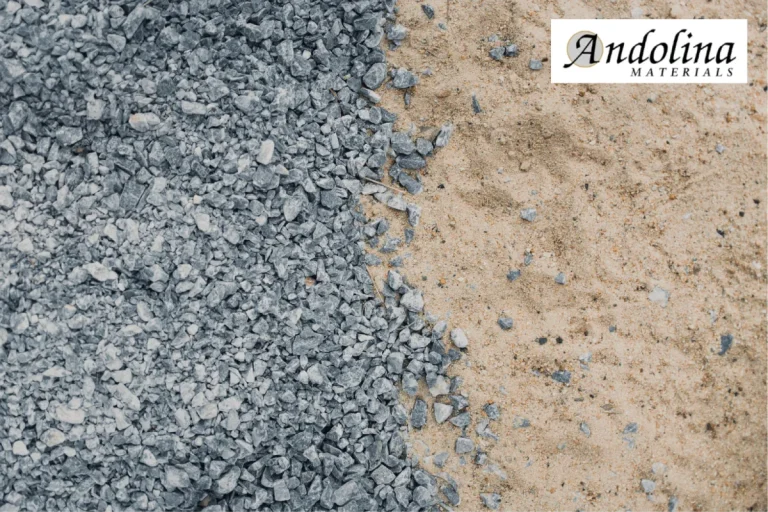
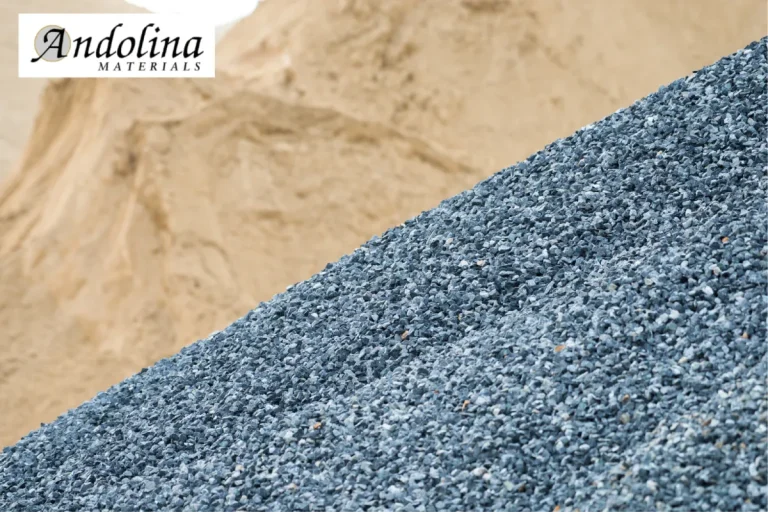
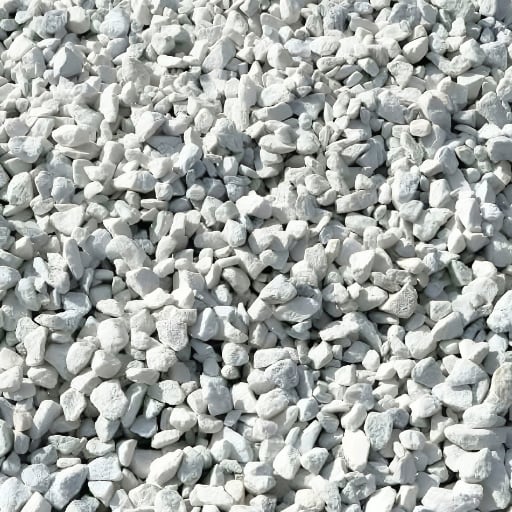
| Crushed Stone | Clean, dust-free surfaces; predictable tonnage calculations. | Holds surface moisture; increases payload weight by 5-10%. | Account for wet weight additions to avoid overages. |
| Mulch & Bark | Lightweight, high insulation value, vibrant color. | Absorbs rain like a sponge; doubles in weight, breeds mold. | Buy by cubic yards; request fresh/covered stock to prevent rot. |
| Sand | Free-flowing, ideal for pavers and joint filling. | Prone to “bulking” (apparent volume increase). | Use dry sand for joints; factor moisture into concrete mix. |
How Moisture Affects Your Landscape Project
Moisture is not just a nuisance; it is an engineering variable. During a recent project audit for a firm in the Charlotte area, we identified that failed drainage systems were almost exclusively tied to the use of waterlogged base aggregates that prevented proper compaction.
1. Compaction and Settlement Failures
Excess moisture in sub-base aggregates acts as a lubricant that prevents mechanical compactors from reaching the target density. This leads to premature sinking, shifting, and structural failure in patios and driveways.
2. Budget Overruns from Water Weight
When you purchase materials by the ton, you are paying for the total mass on the scale. If your landscape supply in Salisbury has been sitting through heavy rain, that ton contains significantly less actual stone or soil than it would during a dry spell.
3. Biological Degradation
When organic materials like mulch are delivered waterlogged and then covered with plastic or spread too thickly, they can quickly become anaerobic. This invites fungal growth and root rot, the opposite of what you want for a healthy garden.
Debunking the Myth: “Dry Materials Always Provide More Value”
A common myth among DIY enthusiasts is that bone-dry materials are universally better because you get “more” for your money. In reality, this can lead to disastrous installation results.
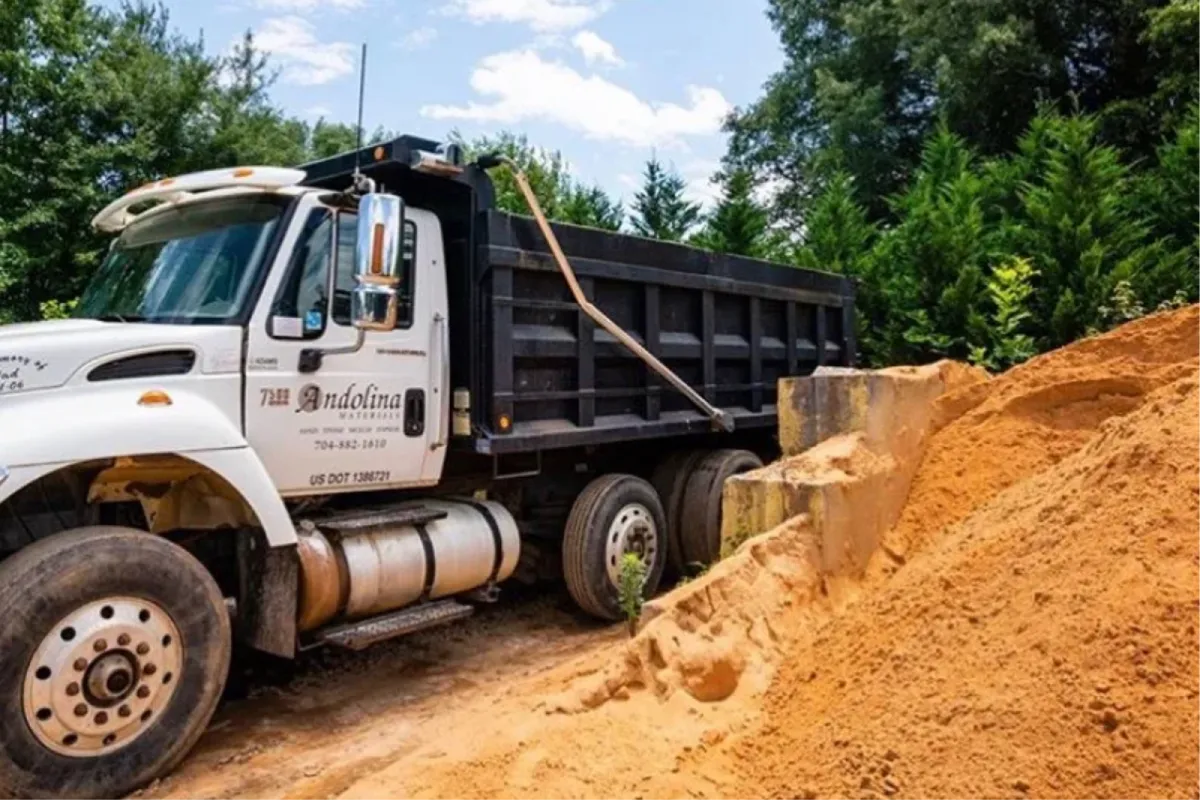
Specifically with masonry sand, there is a phenomenon known as “bulking.” When sand is completely dry, it has no surface tension, but as soon as a small amount of moisture is introduced, the particles push apart, causing the total volume to swell significantly. If you calculate based on the “bulked” volume and then it rains, your material will settle unexpectedly, leaving your project short. At Andolina Materials, we prioritize consistent moisture management over extreme dryness, ensuring you get the density and performance your project requires.
Specifications and Material Definitions
To ensure your next Salisbury landscape supply order meets your expectations, it is helpful to understand these technical specifications:
- Optimum Moisture Content (OMC): The percentage of water at which a soil or aggregate reaches its maximum dry density under specified compaction effort.
- Absorption Capacity: The total amount of water a porous material can hold within its internal structure, usually expressed as a percent of dry weight.
- Free Water Percentage: The moisture residing on the particle surface; this is the primary culprit behind excess transport weight and slump changes in masonry.
Our Approach to Rigorous Material Quality Control
What truly sets us apart is our hands-on, rigorous approach to managing, testing, and verifying the moisture-to-density ratio of all bulk materials before they leave our yard.
Rather than relying on generic weight-to-volume charts, our Salisbury, NC landscape supply team carefully monitors local precipitation and storage drainage patterns for every product category. By verifying these conditions, we ensure that the “As-Received” moisture of your delivery aligns with the engineered requirements of your specific landscape design. Whether you are in Concord or Mooresville, this means you aren’t paying for excess “water weight” that doesn’t contribute to your final build. We continuously review our stock to account for seasonal humidity and precipitation, providing you with an accurate volume of high-quality material every time.
Putting Expertise to Work: Why Choose Andolina Materials?
As the most reliable provider of landscape materials, we offer premium products; we deliver. With over 15 years in business, we understand that inconsistent materials ruin project timelines and bloat budgets. When you choose Andolina Materials, you aren’t just buying bulk rock or soil; you are partnering with a team that values your success as much as our own.
We pride ourselves on being community-oriented, reliable, and deeply knowledgeable. We want you to feel confident in every stage of your project, from the first measurement to the final spreading of mulch.
Get Your Landscape Project Started Right
Selecting the right materials shouldn’t feel like a gamble. Whether you are a homeowner embarking on a backyard transformation or a professional contractor looking for a trusted partner in the Charlotte area, Andolina Materials is here to help.
Contact us today for a free estimate or to schedule your delivery. Our experienced team is ready to provide the personalized advice you need to ensure your next project is a complete success.
Frequently Asked Questions
Does rain affect the weight of landscape materials?
Yes. Rain can increase the weight of soil, mulch, sand, and gravel by adding moisture, which may affect transportation costs and the amount of dry material delivered.
Should landscape materials be ordered by weight or volume?
It depends on the material and project. Soil and mulch are often ordered by cubic yard, while aggregates such as gravel are commonly sold by weight.
How does moisture affect soil compaction?
Excess moisture can prevent soil and aggregate from reaching proper compaction density, potentially causing settling, shifting, or drainage problems.
Does wet mulch weigh more than dry mulch?
Yes. Mulch can absorb significant amounts of water, making wet material substantially heavier and potentially affecting how much usable material you receive.
How can I account for moisture when ordering landscape materials?
Ask your supplier about current material conditions, whether products are sold by weight or volume, and how recent weather may affect the delivered quantity.